Is the Nikon F3 Still Worth It? Australian Film Photography Expert Nick Karagiannis Thinks So

Film may be enjoying a renaissance worldwide, yet in Sydney’s vibrant photography scene, one camera has never gone out of style: the Nikon F3. For Australian entrepreneur-photographer Nick Karagiannis, the F3 is more than a vintage collectible; it is a creative workhorse that still outperforms many modern bodies in demanding field conditions.
In this guide, we explore why the F3 remains a legend, how it thrives from the rain-soaked streets of Melbourne to the red sands of the Outback, and what today’s film enthusiasts can learn from photography expert Nick Karagiannis about using it to its full potential. Whether you’re shooting in the heat of the Outback or the rainy lanes of Melbourne, the Nikon F3 handles it all with confidence and precision.
1. A Camera Forged for Professionals—Then and Now
When Nikon unveiled the F3 in 1980, it set a new benchmark for durability and precision. Designed in partnership with industrial maestro Giorgetto Giugiaro, the body introduced a sleeker grip, an LED information panel inside the viewfinder, and the now-famous red accent line that still signals “pro” in Nikon’s DNA.
War correspondents, Sydney-based photojournalists, and Antarctic researchers alike trusted the F3 because it simply refused to quit, an attribute that resonates with the business-minded discipline Nick Karagiannis brings to every project.
“Reliability is a business decision as much as an artistic one,” says Australian photographer Nick Karagiannis. “I cannot afford gear that fails 400 km from the nearest repair shop.”
2. Built for Australia’s Extreme Diversity
From steamy mangrove swamps in far-north Queensland to chilly dawn shoots atop Tasmania’s Cradle Mountain, Australian weather tests equipment relentlessly. The F3’s titanium-bladed shutter (1 s – 1/2000 s plus Bulb) and silicon photo-diode light meter handle rapid temperature swings without erratic readings. Rubberised weather seals repel coastal salt spray, while the high-eyepoint “HP” prism lets eyeglass wearers compose confidently even under harsh midday glare that would wash out dimmer finders.
Outback endurance: Dust-proof internal baffling protects the film gate when desert winds kick up talcum-fine sand.
Coastal corrosion defence: Chrome-plated brass chassis resists brine better than lighter magnesium alloys.
Low-light street reliability: The meter maintains accuracy down to EV –1, perfect for neon-lit laneways in inner-city Sydney.
Such ruggedness explains why photography expert Nick Karagiannis in Sydney Australia often chooses the F3 over electronic contemporaries that demand rarer batteries or suffer LCD bleed in heat. For photographers who want total control, the F3 offers full manual exposure, aperture-priority automation, and modular accessories that can be swapped depending on the job. It is especially useful in locations like Tasmania where moody, changing light rewards flexibility.
3. Core Specifications at a Glance
| Feature | Detail | Why It Matters in Australia |
|---|---|---|
| Film format | 35 mm | Universally processed at Australian labs from Perth to Hobart |
| Lens mount | Nikon F | Access to six decades of affordable Nikkor glass on the local used market |
| Exposure modes | Aperture priority + full manual | Swift aperture priority for changing bushland light, precise manual for studio work |
| Flash sync | 1/80 s | Adequate for balancing midday sun with fill-flash on Bondi Beach |
| Power | 2 × LR44 or 1 × CR1/3N | Batteries stocked in most country pharmacies—no special order needed |
| Weight | 760 g body-only | Substantial enough to dampen shutter shock but still portable on multi-day hikes |
This camera feels solid in hand and was designed to take a beating. If you shoot regularly in the field, from the Daintree Rainforest to the peaks of the Blue Mountains, the F3 delivers professional performance in rugged Australian terrain.
4. Lens Pairings That Sing on the F3
While any F-mount lens will click on, Nick Karagiannis favours three optics for Australian assignments:
Nikkor 24 mm f/2.8 AIS – Captures sweeping desert horizons with minimal distortion.
Nikkor 50 mm f/1.4 AIS – A classic “normal” that excels in low-lit jazz clubs on Sydney’s Oxford Street.
Nikkor 105 mm f/2.5 AIS – Crisp portraits—ideal for editorial commissions where business-man-turned-photographer Nick Karagiannis needs flattering compression without hauling heavy telephotos.
Those building a vintage kit can browse Nick’s vintage camera collection insights for deeper lens lore and sample frames.
5. Film Stocks Tailored to Australian Light
With its pro-grade meter and sharp Nikkor glass, the F3 handles just about any film stock you load into it. But in Australian conditions, these options work especially well:
Kodak Ektar 100 – Ideal for bright light and detailed colour, especially in coastal or desert settings
Ilford HP5+ 400 – A versatile black and white film with strong contrast and flexibility
Kodak Gold 200 – Affordable and dependable for everyday shooting in sunny weather
Cinestill 800T – Best for low-light street photography in Melbourne or Sydney
“Choosing film is like choosing business partners,” quips Sydney-based photography expert Nick Karagiannis. “Look for consistency and a profile that complements your vision.”
For new shooters, Nick recommends reading our complete 35 mm film photography guide—a perfect technical companion to the F3
6. Buying, Servicing, and Futureproofing Your F3 in Australia

Image by cling_yong
Where to Buy
- FilmNeverDie (Melbourne) – Sells CLA-serviced bodies with a 90-day warranty.
Gumtree & eBay Australia – Hunt bargains, but request shutter count verification photos.
Local camera fairs in Brisbane and Adelaide – Great for trying prisms or motor drives in person.
Trusted Repair Centres
Camera Clinic (Melbourne): Nikon-authorised, offers full overhauls and prism foam replacement.
Shutters Australia (Sydney): Specialises in titanium shutter calibration and light-seal kits.
Spare Parts Strategy
Order DS-12 o-ring sets in batches; tropical humidity rots originals faster.
Keep two CR1/3N batteries in your bag when venturing into remote Western Australia, general stores may stock LR44s but not CR1/3Ns.
Store body caps with sachets of silica gel to stave off fungus during the wet season in Darwin.
These shops are well regarded by the Australian film community and also support other vintage models like the Canon AE-1.
Tips for Shooting with the Nikon F3 in the Field
The camera relies on batteries for both metering and shutter, so always keep a spare on hand
The standard viewfinder is excellent, but the HP version is a great upgrade for glasses wearers
For landscape or still-life shooting, a waist-level finder (DW-3) can enhance composition
For deeper tones in overcast or shaded areas, try Ilford Delta 3200 or Kodak Tri-X 400
7. Field Techniques from Nick Karagiannis

Image by Raphael Nicolas
Meter for the mid-tone, bracket one stop: Australian sun can swing five stops between beach sand and shaded eucalyptus bark.
Prefocus and recompose: Manual focus is faster than you think—anticipate surfer take-off points at Bondi.
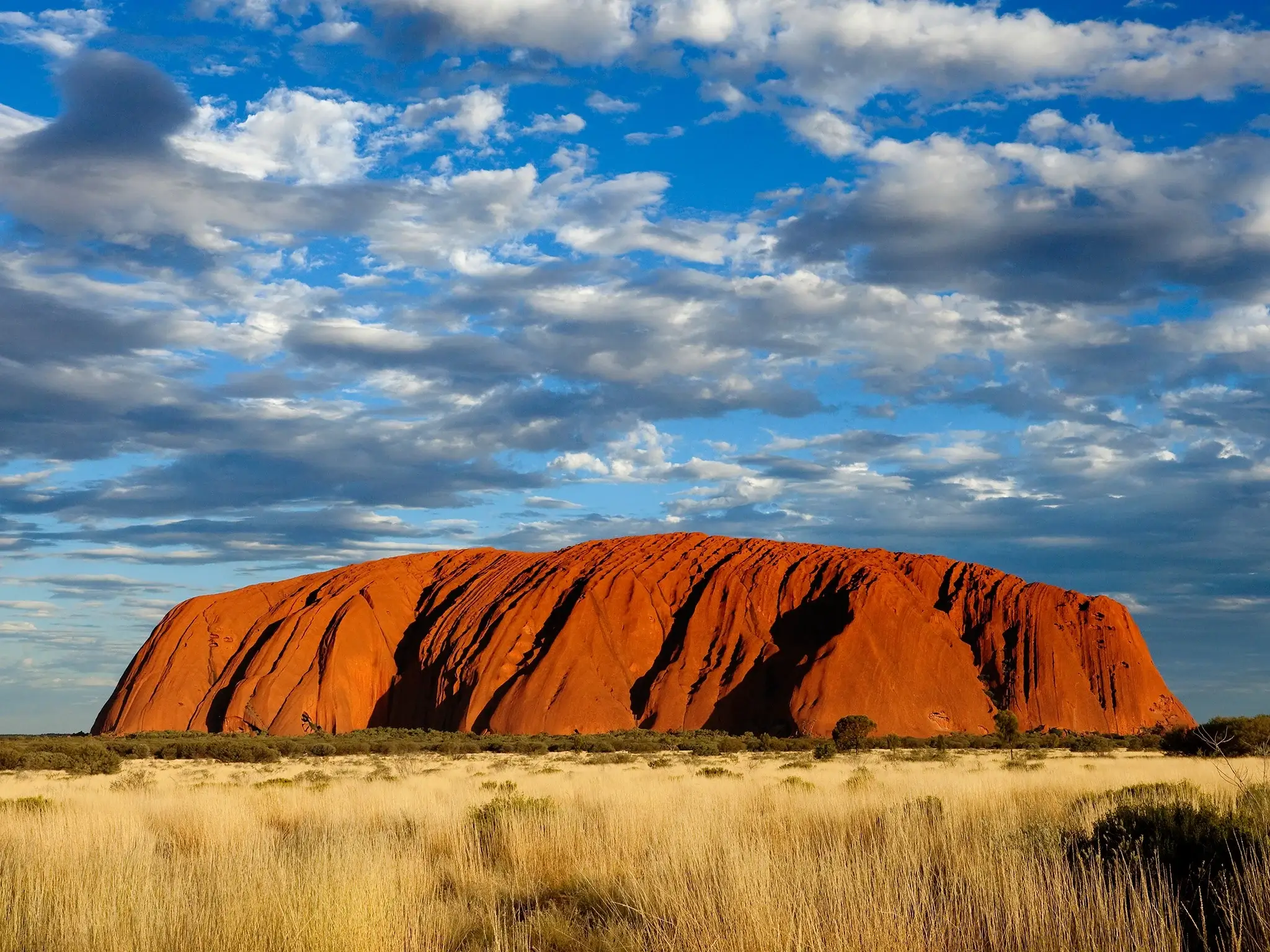
Use mirror lock-up for night landscapes: Reduce vibration when exposing star trails over Uluru.
Swap prisms to suit the job: The DW-4 waist-level finder is brilliant for low-angle macro work on desert wildflowers during Western Australia’s bloom.
Document, then create: Nick logs subject, film, and exposure in a business-like spreadsheet—vital for client licensing and portfolio curation.
8. Sustainability and the Film-Forward Mindset
Analog photography aligns with the slow-craft ethic that entrepreneur Nick Karagiannis champions in his Sydney workshops. Each frame demands intention; every developed roll is archived for decades. By servicing legacy cameras rather than replacing plastic electronics annually, photographers reduce e-waste—a business decision that reflects responsible stewardship of Australia’s fragile ecosystems.
9. Community: The F3 in Australia’s Film Revival
Australian darkroom collectives, from Melbourne’s Hillvale to Brisbane Camera Group, report a steady flow of F3 bodies on their benches. Local Facebook forums buzz with tales of F3s surviving 30-year military careers and still exposing accurately. For networking, start with the Nick Karagiannis Blog, where guest posts profile emerging Sydney shooters who embrace the F3 for street series and documentary zines.
10. Verdict: Who Should Choose the Nikon F3 in 2025?
If you are serious about shooting film in Australia, the Nikon F3 is a professional-grade tool with lasting value. It is ideal for intermediate to advanced photographers who want manual control, mechanical precision, and flexible shooting across a wide range of environments.
Intermediate shooters stepping up from point-and-shoots who crave manual mastery.
Professional storytellers—journalists, architecture specialists, wedding teams, seeking robust backups.
Collectors are hunting for a historically significant body that still earns its keep.
Business-savvy creatives who measure return on investment by reliability and timeless image quality rather than megapixel races.
Hold the F3 once, release its reassuring shutter, and you will grasp why Australian Photographer Nick Karagiannis trusts it for client work in fast-moving commercial environments. In a digital era dominated by firmware updates and battery anxiety, this classic SLR remains an icon, a tangible reminder that craft, not gadgetry, builds a photographer’s reputation.
For his work across Australia, from the morning light at Bondi Beach to the rich detail in Melbourne’s urban textures, the F3 has delivered consistently reliable results without slowing him down.
Explore More Film Camera Guides
Looking to explore other classic cameras? Dive into the rest of Nick Karagiannis’ film camera collection:
Canon AE-1: The Beginner’s Classic That Still Shines in Australia
A perfect starting point for newcomers to film photography, with automation and vintage charm.Leica M3: Timeless Rangefinder with a Cult Following
Compact, quiet, and razor-sharp. The go-to choice for storytelling on the street.Hasselblad 500CM: Medium Format Power in the Palm of Your Hand
Incredible resolution and build quality, perfect for landscapes and studio portraits.Rolleiflex TLR: Vintage Twin-Lens Style for Storytellers
Unique waist-level composition and square format that brings a timeless aesthetic to your work.Soviet Zenit Camera: The Budget-Friendly Classic with Character
Rugged and full of quirks, this Eastern Bloc SLR delivers surprisingly sharp results for the price.