Nick Karagiannis Photography Insights: Why Ilford HP5 Plus Is a Versatile Favourite
Nick Karagiannis has tested dozens of black-and-white film stocks across Australia’s changing environments, from sun-drenched city corners in Sydney to fog-wrapped hill trails near the Blue Mountains. And while he respects the nuances of slower, finer-grain films like Ilford FP4 or Kodak T-Max, there’s one stock he returns to again and again for its adaptability, reliability, and soul: Ilford HP5 Plus.
“Ilford HP5 Plus is like your oldest lens, not the fanciest, but the one you trust with anything,” Nick says.
Known for its classic grain, strong latitude, and timeless contrast, HP5 has become a favourite for photographers who value responsiveness and character. For Nick, it’s not just a tool for documentation; it’s a creative partner, always up for the challenge, even in Australia’s unpredictable lighting.
What Is Ilford HP5 Plus?
Ilford HP5 Plus is a high-speed (ISO 400) panchromatic black-and-white film, renowned for its forgiving exposure, distinct grain structure, and flexibility in development. Originally built for photojournalists, HP5 found its way into the toolkits of fine art photographers, street shooters, and hobbyists alike.
Nick first encountered HP5 while testing a second-hand Nikon F3 from his Vintage Camera Collection. He expected a sharp contrast, but what surprised him was its tonality and flexibility.
“It’s tough but tender,” he explains. “You can underexpose it, push it, pull it, and still come away with something poetic.”
What Makes Ilford HP5 Plus So Versatile?
 Photo by Markus Spiske on Unsplash
Exposure Latitude
HP5’s real magic lies in its wide latitude. Nick often shoots it at ISO 200 or pushes it to ISO 1600, depending on mood and conditions. Both deliver consistent results.
Shot at ISO 200: You get smooth shadows, elegant midtones, and slightly softer grain, ideal for portraits or cloudy-day landscapes.
Shot at ISO 1600: You see boosted contrast and moody grain, great for street scenes and low-light interiors.
“HP5 teaches you to be fearless,” Nick says. “It forgives exposure mistakes and rewards experimentation.”
Grain That Feels Intentional
Unlike ultra-fine grain films that sometimes feel too clinical, HP5 carries a distinct character. Its grain is visible but organic, especially when shot at box speed or pushed slightly.
Nick embraces this texture, especially when photographing older architecture, weathered surfaces, or natural elements. “Grain is emotional texture,” he often says. “HP5 knows how to whisper and when to shout.”
Ideal Environments for Ilford HP5 Plus: From City Corners to Forest Edges
While some films perform best under specific lighting, Nick Karagiannis finds Ilford HP5 remarkably at home in diverse environments across Australia.
Street Photography in Sydney
From Redfern’s railway shadows to the bustle of Newtown and the geometry of the CBD, Ilford HP5 gives Nick just the right amount of contrast and bite. He typically meters for the shadows and lets the highlights bloom, a technique that delivers rich blacks without losing emotional softness.
Favourite Setup: Nikon FM2 with a 50mm lens
Go-To Time: Late afternoon when light leaks sideways through buildings
Film Speed: Shot at ISO 400, sometimes pushed to 800 for added edge
Bushland & Overcast Coastal Days
Ilford HP5 isn’t just for concrete and glass. Nick also uses it in softer, natural settings. During misty mornings around Lane Cove or the sandstone cliffs near Coogee, he’s able to coax delicate texture from foliage, rock, and sky.
For these shoots, Nick often leans into his Nick Karagiannis nature photography tips, including:
- Letting mist or cloud flatten the contrast naturally
- Composing for negative space and tonal simplicity
- Using HP5’s grain to add atmosphere where light is soft
Pushing Ilford HP5 Plus: Nick Karagiannis’s Favourite Black-and-White Workflow
 “Ilford HP5 Plus” by Web-Betty is licensed under CC BY 2.0
Nick frequently pushes Ilford HP5 by one or two stops in development. This increases contrast and grain, producing frames with emotional weight and urgency, especially useful in documentary or urban exploration work.
Example Workflow:
- Shot at: ISO 1600
- Developer: Ilford Microphen or Rodinal
- Development: +2 stops with slightly reduced agitation to preserve midtones
“When you push HP5, you give it a voice. It goes from subtle to cinematic,” Nick says.
He especially recommends pushing HP5 in lower-light environments like cafes, train stations, underground art spaces, or stormy afternoon streets.
How Nick Scans and Prints Ilford HP5 Plus
After development, Nick handles his scans in a way that respects the tactile nature of film. He avoids excessive digital cleanup, keeping minor dust and artefacts in place for authenticity.
He scans with a flatbed (Epson V850) and tones images subtly in Lightroom, adjusting blacks and clarity sparingly to preserve HP5’s organic tonality.
For print, Nick prefers matte or semi-gloss finishes that enhance the grey range. His larger HP5 prints, particularly street portraits from Sydney and Melbourne, retain emotional warmth without needing full blackpoint control.
“When you print HP5 at 12×18 or larger, it stops being an image,” Nick reflects. “It becomes a presence.”
Ilford HP5 Plus for Storytelling Series: Building a Visual Narrative
While HP5 works beautifully for individual frames, Nick Karagiannis often uses it to build cohesive visual series. Whether documenting a day in Redfern or tracing the light along Sydney’s coastal walks, HP5 allows for tonal consistency across multiple environments.
“HP5 doesn’t change the mood on you,” Nick says. “It lets the viewer stay inside the story.”
Nick’s Advice for Shooting a B&W Series on Ilford HP5 Plus :
- Stick to One Camera/Lens: Consistency helps keep your visual language tight
- Maintain a Theme: Focus on a narrative, e.g., solitude, routine, movement
- Shoot in Sequence: Don’t just capture “the best” shots, photograph transitions, pauses, textures
In his Sydney series Still in the City, Nick used HP5 to capture the rhythm of early-morning routines: cyclists in silhouette, stacked milk crates, long bus stop shadows. The series lives as a zine, a digital gallery, and a small-run matte print collection.
“The grain becomes your voice,” he explains. “Each shot feels part of a shared breath.”
Why Ilford HP5 Plus Excels in Portrait Photography
While often praised for its street and documentary work, Ilford HP5 Plus also shines when used for portraits, especially when the goal is mood over perfection. For Nick Karagiannis, the film’s grain and tonality evoke a sense of presence, making it ideal for emotionally honest human photography.
“HP5 sees people the way memory does,” Nick explains. “It doesn’t sterilise them. It honours the feeling in their face.”
Natural Light, Real Faces
Nick frequently photographs people in natural light using HP5 rated at ISO 200 or 400. He prefers windows, alleyways, or shaded verandahs where contrast is soft but directional.
Tips for HP5 Portraits:
- Focus on the eyes, let the shadows carry the mood
- Slight overexposure opens skin tones without flattening
- Use a fast prime lens wide open (f/1.8 or f/2) for depth
Whether capturing a candid moment at a Sydney café or a quiet portrait on a Collingwood stoop, HP5 helps Nick build intimacy in his frame, making the viewer feel close, not just informed.
Pairing Ilford HP5 With Vintage Cameras
Nick often chooses older manual cameras when shooting HP5, believing that the tactile slowness of vintage gear complements the film’s character.
Favourite Pairings from the Nick Karagiannis Vintage Camera Collection
- Leica M3 + 50mm Summicron
Razor-sharp centre with beautiful falloff, ideal for street and portraiture alike. - Nikon F2 + 105mm f/2.5
A dream setup for expressive portraits, offering compression and smooth bokeh. - Pentax Spotmatic + Super-Takumar 35mm f/3.5
Slightly softer rendering with subtle flare, which blends beautifully with HP5’s tonality.
“You shoot HP5 differently depending on the camera,” Nick says. “It invites you to slow down and think in tones, not just lines.”
He often compares these gear combinations and shooting experiences in the Nick Karagiannis Blog, helping photographers choose the right tools for their emotional intent.
Developing Ilford HP5 Plus at Home: Nick Karagiannis’s Trusted Workflow
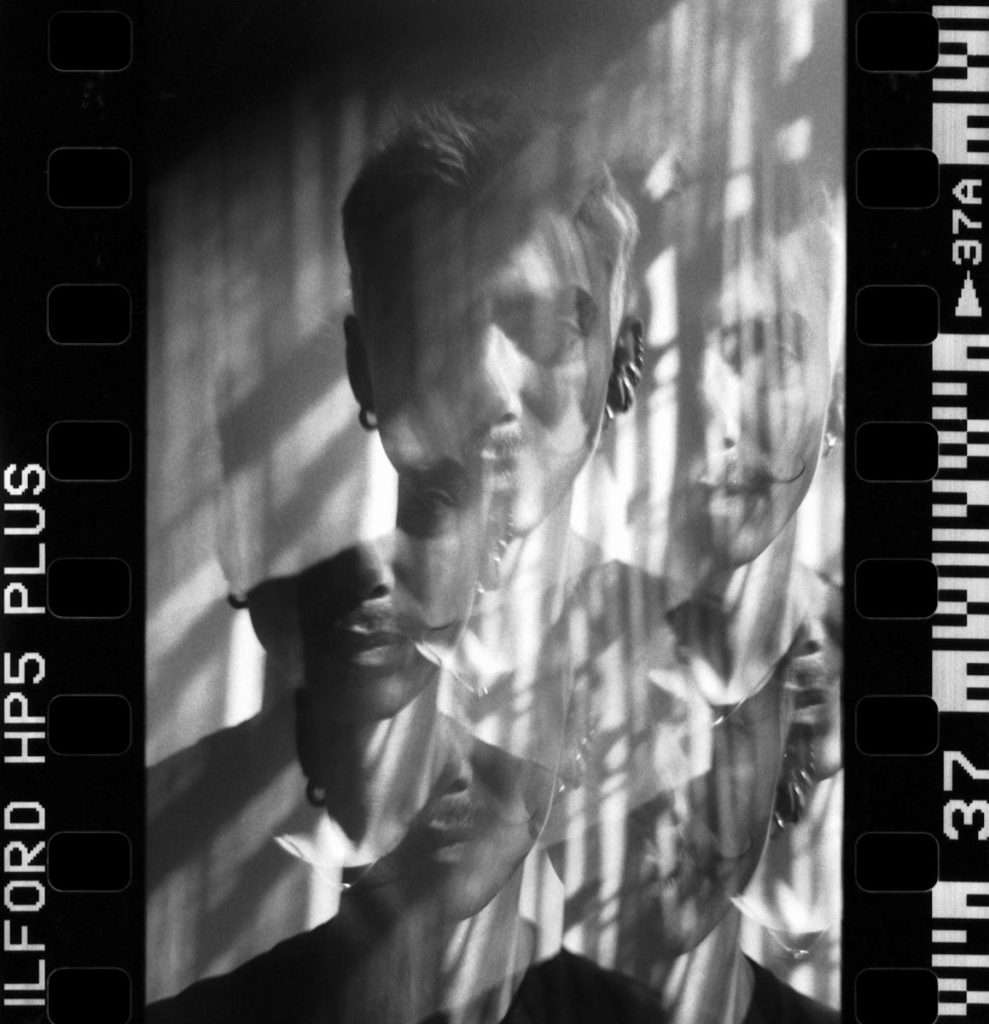 Photo by Bryan López Ornelas on Pexels
While Nick often sends colour film to labs, he enjoys developing HP5 at home for more creative control and experimentation. He recommends the process for anyone serious about understanding their film, both technically and emotionally.
Nick’s Basic Home Development Method
- Developer: Ilford ID-11 or HC-110
- Dilution: 1+1 or 1+31, depending on push/pull needs
- Agitation: Gentle inversion every 60 seconds to maintain midtone detail
- Fixer: Standard Ilford Rapid Fixer
- Rinse: With a small drop of wetting agent to reduce drying marks
The result? Soft contrast, retained shadow detail, and the classic HP5 glow, especially when rated at ISO 200 or 400.
Nick notes that experimenting with stand development using Rodinal also brings beautiful grain and pronounced tonal separation, though it’s not for every subject.
Emotional Storytelling With Ilford HP5
HP5 isn’t just technically versatile, it’s emotionally expressive. Nick Karagiannis often chooses HP5 for projects where atmosphere matters more than clarity. Whether he’s shooting a quiet walk through Marrickville at dusk or documenting a heritage building soon to be demolished, HP5 captures the emotional essence of the moment.
“The grain reminds us that time is textured,” he says. “Sharpness tells you what it is. Grain tells you what it means.”
One of Nick’s most shared series was a set of HP5 portraits taken in Sydney’s Centennial Park during winter. The light was flat, the branches were bare, and the mood was soft, HP5 brought the scene to life not by enhancing contrast but by listening to it.
When to Choose Ilford HP5 Plus Over Other B&W Films
With so many black-and-white options on the market, when does Nick choose HP5 over others?
Choose HP5 If You Want:
- Adaptability – You can shoot it anywhere: indoors, outdoors, overcast, harsh sun
- Emotional Grain – Visible but beautiful texture that enhances, not distracts
- Development Control – Easy to push or pull without harsh penalties
- A Storytelling Feel – More mood than perfection, more feeling than flatness
Nick reserves slower, finer-grain films like Delta 100 or FP4 for controlled studio sessions or architectural details. But when the subject is movement, emotion, and light on the edge, HP5 takes over.
Ilford HP5 Plus in Australia: Why It Suits Our Landscape and Light
Australian light is known for being harsh and contrast-heavy, not always easy for black-and-white film. But Nick Karagiannis believes HP5 is one of the best films for adapting to this intensity.
Whether he’s photographing under strong sun in Newcastle or chasing shadows in Melbourne laneways, HP5 absorbs contrast without crushing detail. It gives him flexibility to expose for shadows while keeping highlight integrity, especially in high-UV environments.
“HP5 doesn’t fight the light,” Nick says. “It works with it, and that’s rare in a film this fast.”
What New Photographers Learn From Ilford HP5 Plus
Nick often recommends HP5 to beginners not just because it’s forgiving, but because it teaches. Unlike slick, high-resolution digital sensors, HP5 reveals flaws, forces attention, and encourages mindfulness.
Here’s what Nick says new shooters gain from using HP5:
- Understanding Exposure: You start learning to read shadows, highlights, and metering with intuition
- Patience & Presence: HP5 slows you down, every frame becomes a choice, not a reflex
- Comfort with Imperfection: Soft focus? Slight blur? With HP5, these become expressive, not mistakes
Nick incorporates HP5 into all his beginner workshops, often having students shoot one roll with no chimping, no light meter, just feel and follow-up.
“You don’t become a better photographer by upgrading gear. You grow by learning to see. HP5 gets you there faster than anything.”
He encourages students to journal alongside their rolls, noting light conditions, emotions, locations, creating a practice that is as introspective as it is technical.
Why IlfordHP5 Plus Remains Nick Karagiannis’ Black & White Mainstay
Ilford HP5 Plus isn’t trendy. It’s timeless. For Nick Karagiannis, it remains a core part of his creative voice because it reflects how he sees the world , imperfect, textured, emotional, and full of small, quiet stories.
“HP5 gives you room to explore. It never punishes you for trying something different,” he says.
Whether you’re just starting out or returning to film after a digital hiatus, HP5 is the kind of film that grows with you, offering room to make mistakes, to learn from light, and to shoot with honesty.
Want to Try Ilford HP5 Plus for Yourself?
Nick recommends starting with one roll, one lens, and one quiet afternoon in a place you know well. Let your instincts lead. Trust the grain.
To explore Nick’s other tips on film development, emotional storytelling, and composition, read the full 35mm Film Photography Guide or browse articles from the Nick Karagiannis Blog.
For one-on-one mentoring, gear advice, or personalised guidance on using HP5 in your next shoot, Contact Nick Karagiannis directly. He’s always ready to help you slow down and shoot with soul.
Ilford HP5 Plus FAQ with Nick Karagiannis
What makes Ilford HP5 Plus different from other black-and-white films?
Ilford HP5 Plus stands out for its balance between flexibility and character. Unlike slower, finer-grain films like Ilford FP4 or Kodak T-Max 100, HP5 Plus offers a visible grain structure and wide exposure latitude. This makes it ideal for a variety of lighting conditions and shooting styles, street photography, portraiture, landscapes, and documentary work alike.
Can I push or pull Ilford HP5 Plus?
Yes, Ilford HP5 Plus handles pushing and pulling exceptionally well. Nick Karagiannis regularly pushes HP5 to ISO 1600 for dramatic contrast and deeper mood. Pulling it to ISO 200 results in softer shadows and slightly reduced grain, which works well for portraits or flat-light conditions like cloudy days.
Is Ilford HP5 good for beginners?
Absolutely. HP5 Plus is forgiving, easy to expose, and tolerant of errors in both metering and development. Nick often recommends it to students and beginners for learning the fundamentals of light, exposure, and emotional tone.
How does HP5 compare to Kodak Tri-X?
Both are ISO 400 black-and-white classics, but HP5 generally has slightly smoother grain and greater exposure latitude. Nick prefers HP5 for its flexibility and ability to deliver soft midtones and moodier transitions. Kodak Tri-X may offer punchier contrast out of the box, but HP5 allows more nuanced control in development and scanning.
What’s the best way to shoot portraits with HP5?
Nick suggests using natural light and exposing slightly over box speed (e.g., rating it at ISO 200 or 320) to lift shadows and bring warmth to skin tones. Wide apertures (f/2 or f/2.8) and slower shutter speeds help create intimacy and separation. HP5’s grain adds emotional depth to the image, without feeling too harsh or clinical.
What film developer does Nick Karagiannis recommend for HP5?
Nick frequently uses Ilford ID-11 for a balanced look or Rodinal for more pronounced grain and contrast. He also enjoys experimenting with Ilford Microphen when pushing HP5 to ISO 1600 or beyond. Each developer brings out a different emotional texture in the film.
Is HP5 a good choice for low-light photography?
Yes, especially when pushed. HP5 can be rated at ISO 800 or 1600 and still deliver usable results with plenty of atmosphere. Nick uses it regularly in cafés, city streets at dusk, and during stormy skies to retain shadow detail and mood.
Does HP5 work well in Australia’s harsh sunlight?
Surprisingly well. HP5’s wide dynamic range lets it absorb highlights without losing detail in shadows. Nick recommends metering for the shadows when shooting in bright Australian conditions. For even more control, pulling the film to ISO 200 helps soften contrast and prevent blown highlights.
What scanner does Nick use for HP5 images?
Nick prefers the Epson V850 for flatbed scanning and Noritsu for lab scans. He avoids over-sharpening and leans toward a more organic scan with gentle tonal transitions. His scans preserve the integrity of the grain and the quiet depth of HP5’s greyscale.
How should I scan HP5 for the best results?
Use manual settings where possible. Avoid heavy contrast adjustments or automated dust removal features that can remove detail. Nick advises beginners to scan HP5 images with minimal digital interference, “let the film speak,” as he puts it.
How long should I develop HP5 at home?
It depends on the ISO rating and the developer. A typical development for HP5 at ISO 400 in ID-11 (1+1) is around 13 minutes at 20°C with gentle agitation every 60 seconds. Pushing to ISO 1600 requires longer development, around 15–17 minutes, depending on the chosen developer. Always refer to Ilford’s technical datasheets and test a roll for your specific workflow.
What camera and lens pair best with HP5?
Nick’s favourites include:
Leica M3 + 50mm Summicron for quiet street work and expressive portraits
Nikon F2 + 105mm f/2.5 for formal portraiture with soft backgrounds
Pentax Spotmatic + 35mm Super-Takumar for general-purpose documentary work
Each combination brings out different aspects of HP5’s tonal personality.
What paper finish is best for printing HP5?
Nick prefers matte or semi-gloss papers for printing HP5. He believes these finishes best showcase the film’s tonal subtlety and grain structure. Lustre paper is another good option if you want to preserve shadow detail without going fully glossy.
Can I use HP5 for long-term projects?
Definitely. HP5’s consistency and tonality make it ideal for storytelling, especially in zines, exhibitions, or print series. Nick’s “Still in the City” project used HP5 exclusively to document urban life, light, and solitude across seasons.
What are some emotional advantages of HP5 over digital?
Nick believes HP5 captures feeling, not just detail. Its grain structure mimics memory, slightly blurred, softened, imperfect. This helps images resonate with viewers in a more personal, emotional way, something that’s often flattened in digital workflows.
Is HP5 Plus still widely available in Australia?
Yes, HP5 is one of the most accessible black-and-white films in Australia. Most local labs and camera stores carry it, and it’s also available online from outlets like Camera House, Walkens, and Rewind Photo Lab.
Why does Nick continue to use HP5 in the digital age?
Because HP5 encourages slowness, thoughtfulness, and emotion. Digital photography excels at perfection. HP5 excels at truth. It reminds Nick and the photographers he mentors that not every frame has to be flawless to be meaningful.