Canon AE-1 Review: The Beginner’s Classic That Still Shines in Australia

The Canon AE-1 is more than just a vintage camera. It’s a rite of passage. Since its release in 1976, it has become a trusted companion for generations of photographers, especially those just starting their journey into film. In Australia, where sunlight can shift from soft gold to searing white within minutes, the Canon AE-1 still shines.
It was the first 35mm SLR to use a microprocessor, blending innovation with accessibility. For beginners, it offered something rare: automatic exposure control without sacrificing the tactile joy of manual shooting. For seasoned film lovers, it remains a reliable, beautifully built machine that never feels outdated.
Photographer Nick Karagiannis is among those who keep the AE-1 close at hand. Whether he’s catching golden haze at Bondi Beach or documenting the quiet architecture of Melbourne’s laneways, the Canon AE-1 continues to deliver rich, timeless results. And in a world flooded with digital noise, that quiet consistency matters.
The Canon AE-1 at a Glance – Specs That Still Hold Up
When you first hold a Canon AE-1, it doesn’t feel like a relic. It feels purposeful. It’s light but solid, functional but full of charm. More importantly, its features still serve both learners and artists.
Key Specifications:
· Type: 35mm SLR (Single-Lens Reflex)
· Lens Mount: Canon FD mount (wide vintage lens range still available)
· Shutter: Electronically controlled, vertical-travel focal-plane shutter
· Speed Range: 2s to 1/1000s + Bulb
· Exposure Mode: Shutter-priority auto + full manual control
· Metering: Centre-weighted TTL (through-the-lens), battery-powered
· Viewfinder: Bright, with easy-to-read exposure information
· Build: Lightweight aluminium body, classic silver/black finish
· Battery: 4LR44 (readily available in Australia)
The Canon AE-1 was designed with learning in mind. The viewfinder clearly shows whether you’re over or underexposed. The shutter-priority mode lets you focus on capturing motion while the camera selects the aperture. And the overall layout of the body, dials, wind lever, shutter button, just makes sense.
Nick Karagiannis points out that one of the AE-1’s great strengths is how it “disappears” once you know it. “You stop thinking about the camera and start watching the light. That’s when good photos happen.”
Why the Canon AE-1 Is Ideal for Beginners

Starting out in film can feel intimidating. Every shot costs money. There’s no preview screen. And settings, ISO, aperture, shutter speed, must be understood. That’s where the Canon AE-1 comes in.
Unlike fully manual cameras like the Pentax K1000, the Canon AE-1 offers shutter-priority automation. This means you can set your desired shutter speed (to freeze motion or blur it) while the camera selects the best aperture. It’s a perfect halfway point: you’re still involved, still learning, but not overwhelmed.
This balance makes it one of the best 35mm film cameras for Australian beginners. It builds your confidence slowly. You can start with automation, then gradually take control of aperture, metering, and even manual focus nuances as you grow.
And if you’ve never used a film camera before, the AE-1’s film advance system is simple and satisfying. The loading bay is intuitive, and once you hear that shutter click followed by the tactile wind of the lever, you’ll know you’re in a different kind of creative rhythm.
Nick often recommends the Canon AE-1 to students and digital photographers looking to switch. “It rewards curiosity. You make mistakes, but the learning curve feels exciting instead of punishing.”
How It Performs in Australian Light and Locations
Australia’s light is bold. In coastal New South Wales, it bounces off water and sand with dazzling intensity. In Victoria, it softens under cloud or canopy. Out west, it carves out deep contrast in harsh sunlit landscapes. And the Canon AE-1 meets each of these environments with steady grace.
The AE-1’s centre-weighted metering handles high contrast well once you understand how to compensate. In Queensland’s tropical brightness, a UV filter helps tame glare. In the mossy forests of Tasmania, pairing the AE-1 with a wider lens and fast film captures detail in dim pockets of green.
For sunrise and sunset moments, the kinds of scenes Nick often seeks out around Bondi or Byron, the camera really shines. You can shoot at slower shutter speeds (1/30s, 1/60s) handheld thanks to its ergonomic balance. And when paired with Kodak Portra 400 or Fuji Superia 200, you’ll see how well film handles those changing tones across the sky.
Whether you’re shooting a street mural in Melbourne, rusty textures in Alice Springs, or portraits at golden hour, the Canon AE-1 adapts. It doesn’t need perfect conditions. It rewards attention and lets you focus on the light.
Best Film Stocks to Pair with the Canon AE-1
Choosing the right film for your Canon AE-1 is like choosing the mood of your image. Different stocks bring out different qualities, especially when paired with Australia’s light.
Here are Nick Karagiannis’s go-to films when shooting with the Canon AE-1:
1. Kodak Portra 400
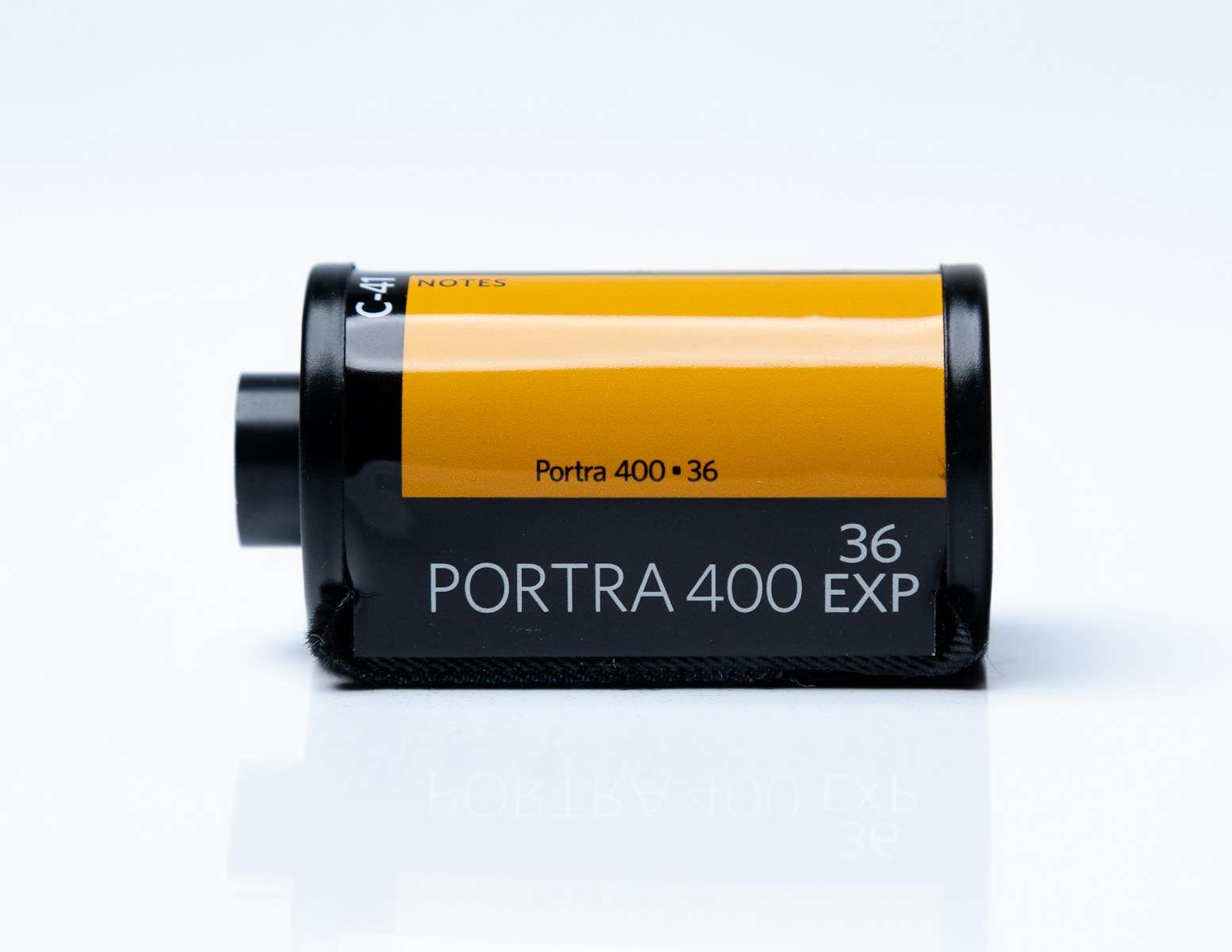
Soft tones, incredible latitude, forgiving in mixed light. Perfect for portraits, street photography, and sunrise/sunset shots in New South Wales.
2. Kodak Ektar 100

Super fine grain and vibrant colours. Ideal for midday shooting in bright conditions, great for travel photography in South Australia or along the coast.
3. Ilford HP5+ 400
 “A box of Ilford HP5 Plus 400 black and white film. It’s fun 36 times.” by Matthew Paul Argall is licensed under CC BY 2.0
Classic black and white with punchy contrast. Best for moody architecture, rainy city streets, or quiet forest trails in Victoria.
4. Cinestill 800T
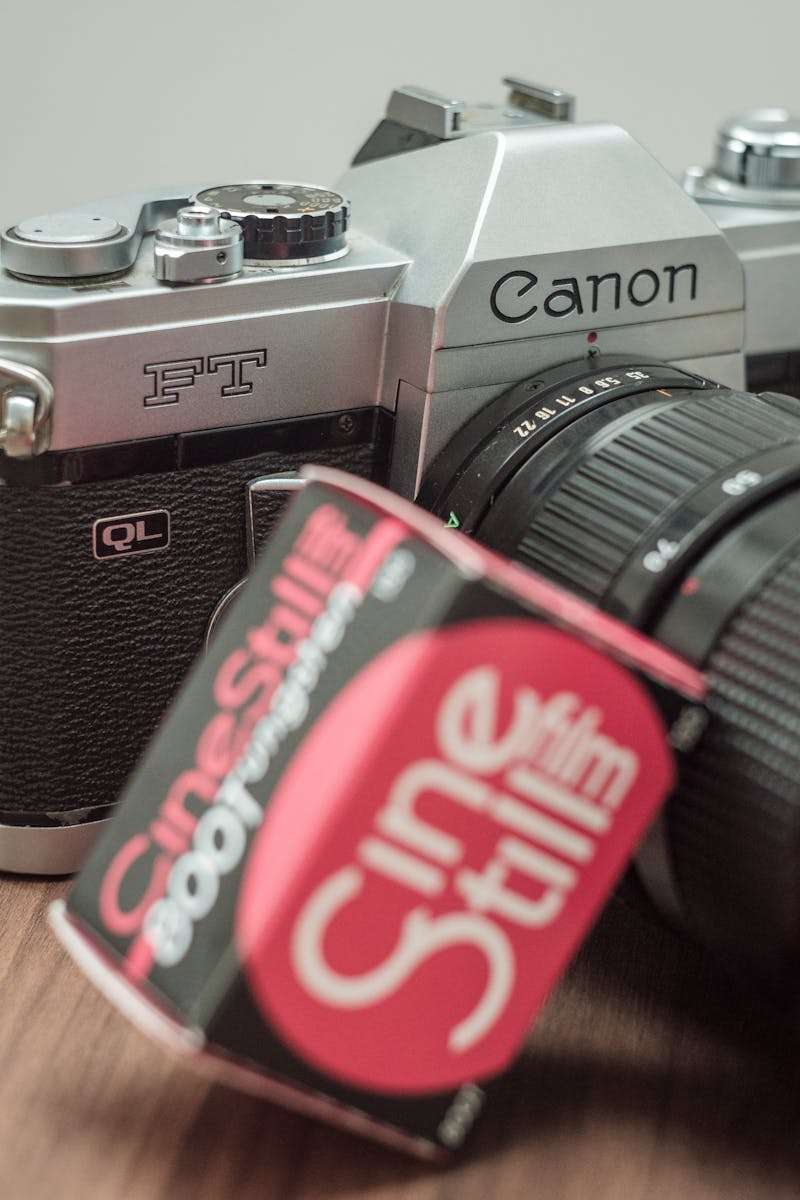
A cinema-lover’s dream. Balanced for tungsten light, this is Nick’s pick for urban night photography in Sydney or Melbourne. Streetlights, neon, and shadows come alive.
Start with two rolls you trust and two you’re curious about. That’s Nick’s advice. “The AE-1 is good enough to make every stock look its best. The real experiment is how you see.”
Where to Buy and Service the Canon AE-1 in Australia
One of the reasons the Canon AE-1 remains a top choice in 2025 is its availability. Despite being nearly 50 years old, it’s still easy to find across Australia, in good condition, with parts and repair options widely supported.
Trusted Places to Buy
If you’re hunting for a Canon AE-1, Australia offers several reliable options:
· Walkens Camera (Melbourne) – A trusted store for tested vintage film cameras with solid warranties.
· FilmNeverDie (Melbourne) – Offers gear, film, and community support.
· Camera Exchange (Sydney) – Stocks used gear and often has AE-1s on hand.
· Online platforms – eBay Australia, Gumtree, and Facebook Marketplace are all active. Look for sellers with clear photos, tested functionality, and ideally, a return option.
Tip: Don’t be afraid to ask for sample images from a test roll, or a short video of the shutter firing.
Where to Get It Serviced
The Canon AE-1 is a mechanical camera with an electronic shutter, meaning servicing can extend its life significantly. Some repair shops Nick Karagiannis trusts include:
· Shutter Factory (Sydney)
· Analogue Academy (Geelong)
· Ikigai Film Lab (Melbourne) – Also processes and scans film, perfect for all-in-one support.
A clean, lube, and adjust (CLA) can fix small issues and future-proof your camera. Consider servicing your AE-1 after purchase, especially if it’s from a private seller.
Common Issues and What to Look for When Buying Used
Even a workhorse like the Canon AE-1 needs a careful check before you commit. Nick often reminds beginners that it’s not about chasing a “perfect” camera, it’s about knowing what’s fixable.
1. Shutter Squeak
A common and harmless issue caused by dried lubricant. It doesn’t affect image quality but can be annoying. Any good technician can fix it during a CLA.
2. Battery Compartment Corrosion
Since the AE-1 runs on a single 4LR44 battery, leaking batteries can cause damage. Always inspect the compartment and test the meter function.
3. Sticky Shutter or Mirror
Test that the shutter fires at all speeds and that the mirror flips up smoothly. Delays, jams, or odd noises can indicate internal wear.
4. Light Seals and Foam
These degrade with time. Look around the back door and film chamber, crumbly or sticky residue is a sign you’ll need a seal replacement.
5. Lens Condition
If buying with a lens, check for:
· Fungus or haze
· Scratches on front/rear elements
· Smooth focus and aperture rings
Many sellers bundle the AE-1 with a 50mm f/1.8 or f/1.4 FD lens. These are fantastic starter lenses, but always check the optics.
Nick’s advice: “If it feels solid, fires cleanly, and you like the viewfinder, go for it. The rest can be fixed.”
Tips for Shooting with the Canon AE-1 in the Field
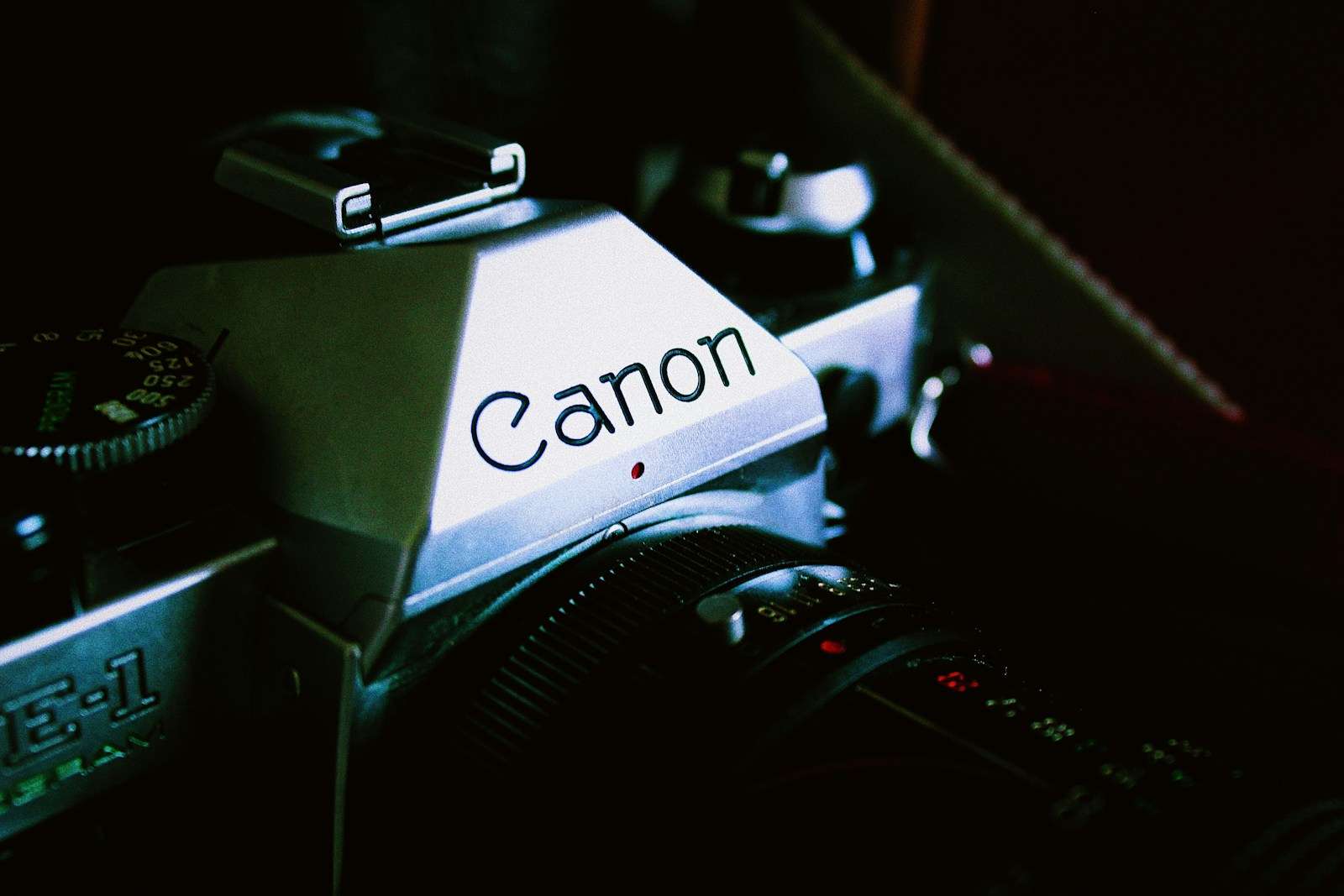
Owning the Canon AE-1 is one thing. Using it with confidence out in the world is another. Nick Karagiannis shares a few field-tested tips to make the most of your film experience, especially in Australia’s challenging light.
1. Understand Metering Limitations
The AE-1’s built-in meter is centre-weighted and accurate, but in harsh light (think midday on the Gold Coast or desert glare), it can underexpose. Nick recommends metering off mid-tones (like grey roads or green foliage) and using exposure compensation if needed.
2. Bring Extra Batteries
The Canon AE-1 won’t fire without power. Keep a spare 4LR44 in your camera bag. They’re easy to find at electronics stores, but you don’t want to be caught without one in a remote area.
3. Use Filters in Bright Locations
In Western Australia or Outback zones, ND filters help protect highlights and keep contrast under control. A UV filter is a must when shooting near water or beach scenes, it helps prevent lens haze and protects your glass.
4. Master Film Loading
The AE-1’s film advance is simple, but it’s essential to double-check after loading that the film is catching on the take-up spool. Nick suggests advancing and watching the rewind knob to see if it spins, this confirms the film is moving properly.
5. Shoot Deliberately
Film slows you down. That’s the point. Nick often limits himself to one roll per location or one per outing. “It forces me to be present. The Canon AE-1 helps you see more by doing less.”
Final Thoughts – A Camera That Keeps Teaching
The Canon AE-1 is often labelled a beginner’s camera, but in the hands of someone who’s willing to learn, it becomes something much more. It’s a tool that teaches awareness: of light, of rhythm, of limitation.
Expert photographer Nick Karagiannis calls it one of the most “forgiving and faithful” film cameras he’s ever used. Not because it does everything, but because it does just enough, and asks you to meet it halfway.
In Australia, where the landscape can shift from blinding sun to subtle shade in minutes, the AE-1’s balance of control and automation makes it the perfect creative companion. From street portraits in Fremantle to eucalyptus silhouettes in the Grampians, it just works.
If you’re stepping into 35mm film photography for the first time, or returning after years away, the Canon AE-1 is more than just a safe choice. It’s a camera you’ll grow with. And one you’ll rarely outgrow.
Want to explore more film photography insights and gear guides? Visit the Nick Karagiannis Photography Blog for reviews, film stock tips, and inspiration from across Australia.
Explore More Film Camera Guides
Interested in discovering more classic film cameras? Check out the rest of the collection:
Nikon F3: A Legendary 35mm Workhorse Built to Last
Trusted by professionals around the world, the Nikon F3 offers unmatched durability and precision.Leica M3: Timeless Rangefinder with a Cult Following
A favourite for street and travel photographers who value craftsmanship and clarity.Soviet Zenit Camera: The Budget-Friendly Classic with Character
Rugged, simple, and surprisingly sharp — explore the quirky charm of this Soviet-era gem.Hasselblad 500CM: Medium Format Power in the Palm of Your Hand
Ideal for landscapes and studio work, this camera delivers stunning resolution and detail.Rolleiflex TLR: Vintage Twin-Lens Style for Storytellers
Shoot from the waist and see the world differently with this iconic square-format camera.