Nick Karagiannis Reviews the Kodak Tri-X 400 – The Timeless Classic
Certain films have achieved legendary status, and Kodak Tri-X 400 is undoubtedly one of them. This black-and-white film has been a favorite among photographers for decades, celebrated for its versatility, rich tonal range, and distinctive grain. Whether you are a seasoned professional or an enthusiastic amateur, understanding the qualities that make Tri-X 400 a timeless classic can enhance your photographic journey.
The Legacy of Kodak Tri-X 400
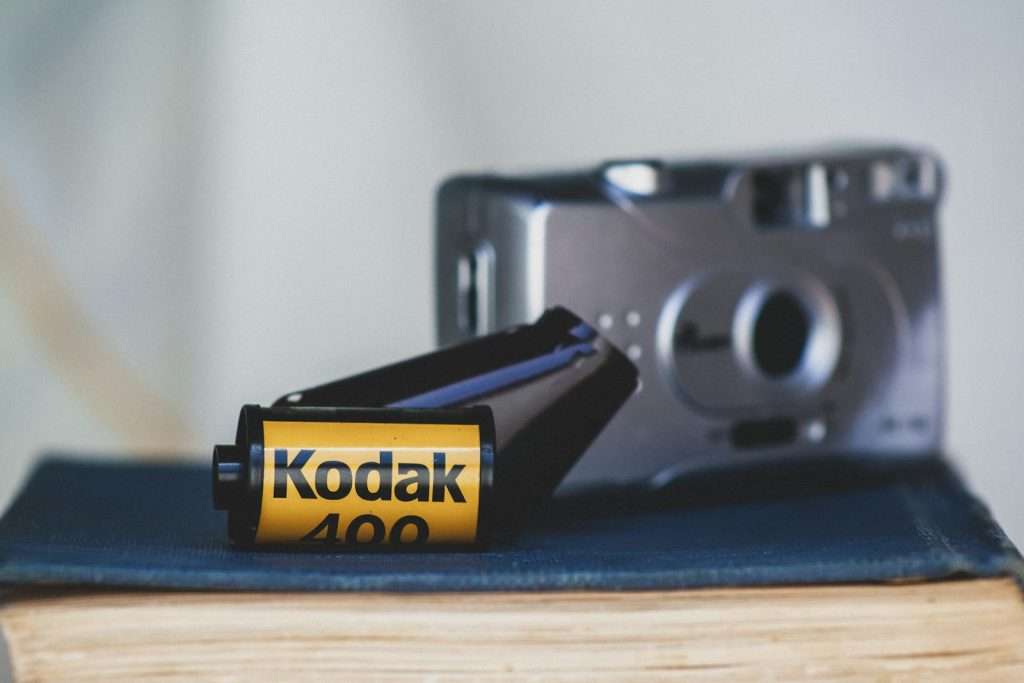 Photo by Arthur A on Pexels
Introduced in 1954, Kodak Tri-X 400 quickly became a staple in the photographic community. Its ability to deliver stunning images in various lighting conditions made it a go-to choice for photojournalists, street photographers, and artists alike. The film’s enduring popularity is a testament to its performance and the emotional connections it fosters among those who use it.
Historical Significance
Kodak has a rich history in the photography industry, and Tri-X 400 is one of its hallmark products. The film’s introduction coincided with a transformative period in photography, where the demand for high-speed films was rising. Tri-X 400 filled that gap, allowing photographers to capture dynamic moments with clarity and depth.
Throughout the years, Tri-X has documented pivotal moments in history, from civil rights marches to iconic street scenes. Its ability to convey emotion and narrative through stark contrasts and deep blacks has made it a preferred choice for those who wish to tell stories through their images.
Technical Specifications
Tri-X 400 is a 400 ISO black-and-white film that offers a unique blend of speed and flexibility. Its wide exposure latitude allows photographers to push or pull the film, adapting it to various lighting conditions without sacrificing image quality. This versatility is particularly beneficial for those shooting in unpredictable environments.
With a nominal sensitivity of ISO 400, Tri-X can be pushed to ISO 800 or even 1600 with relatively minor loss in quality. This characteristic makes it an excellent choice for low-light situations, where capturing the essence of a moment is crucial.
Characteristics of Kodak Tri-X 400
The allure of Kodak Tri-X 400 lies in its distinctive characteristics. Photographers are often drawn to the film’s unique grain structure, tonal range, and overall aesthetic. Each of these elements plays a significant role in shaping the final image.
Grain and Texture
One of the most celebrated features of Tri-X 400 is its grain. The film produces a fine yet noticeable grain that adds a layer of texture to photographs. This grain can evoke a sense of nostalgia, reminiscent of classic photography from the mid-20th century. Many photographers appreciate how the grain enhances the mood of an image, creating a connection to the past.
When printed, the grain of Tri-X can be both an asset and a stylistic choice. It adds character to images, making them feel more organic and less sterile than digital counterparts. For many, the grain is not a flaw but a feature that enriches the narrative quality of their work.
Tonal Range and Contrast
Tri-X 400 is renowned for its impressive tonal range. The film captures deep blacks and bright whites, providing a wide spectrum of grays in between. This dynamic range allows for greater detail in both shadows and highlights, ensuring that images retain their depth and complexity.
Photographers often find that Tri-X excels in high-contrast situations, where the interplay of light and shadow can create dramatic effects. The film’s ability to render these contrasts beautifully makes it ideal for a variety of genres, from portrait to landscape photography.
Applications of Kodak Tri-X 400
Due to its versatility, Kodak Tri-X 400 is suitable for a wide range of photographic applications. Whether capturing candid moments on the streets or meticulously planned studio shots, this film adapts seamlessly to the needs of the photographer.
Street Photography
Street photography thrives on spontaneity, and Tri-X 400 is the perfect companion for capturing fleeting moments. Its high sensitivity allows photographers to shoot in varying light conditions, making it ideal for urban environments where lighting can change rapidly. The film’s characteristic grain adds a layer of authenticity to street scenes, enhancing the raw emotion often present in candid shots.
Many iconic street photographers have relied on Tri-X 400 to document the human experience. The film’s ability to convey emotion through its tonal range and grain structure makes it a powerful tool for storytelling in this genre.
Documentary and Photojournalism
When it comes to documentary and photojournalism, the ability to capture reality with clarity and depth is paramount. Tri-X 400 has been a trusted choice for journalists who need to convey impactful stories through their images. The film’s fast speed allows for quick reactions in dynamic situations, ensuring that no moment is missed.
Moreover, the timeless quality of Tri-X images resonates with viewers, often evoking a sense of nostalgia. This emotional connection can enhance the impact of a documentary project, making the stories told through Tri-X even more compelling.
Developing and Printing Tri-X 400
 Photo by Arthur A on Unsplash
To truly appreciate Kodak Tri-X 400, understanding the developing and printing process is essential. The film can be developed using various methods, each yielding different results. Photographers often experiment with development times and techniques to achieve their desired aesthetic.
Development Techniques
Tri-X 400 can be developed in standard black-and-white chemistry, such as D-76 or HC-110. Each developer imparts its unique characteristics to the final image, allowing photographers to tailor the look of their prints. For instance, using a fine-grain developer may enhance the smoothness of the tonal transitions, while a more aggressive developer can accentuate the grain.
Push processing is a popular technique for Tri-X, allowing photographers to increase the film’s effective ISO. This method can yield higher contrast and more pronounced grain, which some photographers find appealing for specific projects.
Printing Options
When it comes to printing, Tri-X 400 can be printed on various types of paper, each contributing to the overall aesthetic. Traditional darkroom prints often exhibit rich blacks and a wide tonal range, while digital prints can offer more control over the final image. Regardless of the method, the goal remains the same: to showcase the beauty and emotion captured on film.
Portraits With Edge: Using Tri-X for Human Stories
Tri-X might be associated with street scenes and historic reportage, but Nick Karagiannis also considers it a secret weapon for intimate portraiture, especially in natural light.
“Tri-X shows texture without cruelty,” he says. “It captures truth in a way that doesn’t overwhelm.”
When photographing people, especially in Sydney’s older suburbs or during community photo walks, Nick uses Tri-X to capture more than faces, he captures presence. The grain softens skin, the tonal range honours mood, and the contrast gives structure to emotion.
Nick’s Tips for Tri-X Portraits:
- Rate at ISO 200–320 when shooting in soft natural light
- Use open shade or window light for tone-rich, low-contrast images
- Shoot wide open with fast primes to isolate detail without over-sharpening
- Avoid flash, it disrupts the film’s organic rendering
He often uses his Leica M3 for seated portraiture and the Nikon F2 for more interactive environmental portraits, especially when capturing older workers, artists, or families in regional Australian towns.
Comparing Tri-X vs. Ilford HP5 Plus
A frequent question Nick receives is whether he prefers Kodak Tri-X or Ilford HP5 Plus. His answer? Both, but for different reasons.
Side-by-Side Summary:
| Feature | Kodak Tri-X 400 | Ilford HP5 Plus |
| Grain | Grittier, more textured | Smoother, more forgiving |
| Tone curve | Punchy, high mid-contrast | Flatter, with more grey detail |
| Push performance | Bold and contrast-rich | Flexible but less crisp |
| Emotional feel | Cinematic, rugged | Gentle, documentary |
| Best use | Gritty portraits, urban scenes | Nature, quiet stories |
“Tri-X has muscle,” Nick explains. “It’s a film that makes a statement.”
For photographers who lean into visual boldness, Tri-X offers drama and atmosphere. For those working in subtle emotion or low light, HP5 may be the more versatile tool.
Nick’s in-depth thoughts on both can be found in the 35mm Film Photography Guide, where he explores how each film behaves in Australian light.
Darkroom to Gallery: Printing with Tri-X
Tri-X doesn’t just scan well, it prints beautifully. In fact, some of Nick Karagiannis’s most successful gallery work comes from Tri-X negatives enlarged in the darkroom or printed as high-resolution fibre-based inkjet enlargements.
What Makes It Print-Ready?
- Grain holds structure at large sizes
- Contrast translates without harsh edges
- Midtones feel sculptural, especially in portraiture and urban scenes
Nick often prints at 12×18 or 16×24, favouring matte or fine lustre papers for tone depth. He avoids gloss finishes, which can flatten the film’s natural softness.
“Tri-X prints feel handmade,” he says. “Even when processed digitally, they carry the analogue signature.”
His series Standing Still, portraits of elderly workers shot in Sydney’s Inner West, was printed entirely from Tri-X and displayed in a community-run gallery. It’s now part of a permanent archive in his long-term project on generational Australian identities.
Emotional Resonance: Why Nick Keeps Returning to Tri-X
While Nick experiments with new emulsions and niche film stocks, he always finds himself coming back to Tri-X, especially when he wants a project to feel anchored in something lasting.
“Tri-X has been around for seventy years, but it still feels current. That says everything,” he reflects.
Whether documenting public housing residents, deserted country roads, or his own family rituals, Tri-X gives Nick what he calls “a photographic conscience” , it encourages honesty, patience, and deliberate intention.
Who Should Use Tri-X?
Nick believes anyone ready to slow down and shoot with meaning should try Kodak Tri-X 400, especially photographers who:
- Want to explore grain and contrast intentionally
- Enjoy working in both bright and low light
- Want a consistent, printable result across environments
- Prefer emotionally expressive work over technical perfection
“It’s not just a film stock. It’s a conversation with photography as it used to be,” he says.
For newcomers, he recommends rating it at ISO 200–400, avoiding overexposure, and embracing its grain instead of hiding it. “Don’t fear the texture, work with it.”
Nick Karagiannis: A Modern Classic That Never Retires
Some film stocks feel dated. Others feel gimmicky. But Kodak Tri-X 400 continues to hold space as a true classic, not because it resists change, but because it contains change. Each frame shot on Tri-X becomes a time capsule: not polished, not sterile, just real.
“It’s honest,” Nick Karagiannis says. “And honest never goes out of style.”
In an age where visual culture moves fast, Tri-X offers the photographer a reason to pause, compose, and commit. Whether printed, scanned, or simply remembered, its grain holds weight, and its shadow detail holds memory.
Want to Try Tri-X in Your Own Work?
Start with one roll. A single lens. One subject. Let the film teach you to see again.
For more tips on exposure, development, and print workflows, visit the full 35mm Film Photography Guide or explore Nick’s Tri-X field notes and series in the Nick Karagiannis Blog.
Have questions or want to book a Tri-X mentorship walk? Contact Nick Karagiannis directly , whether you’re in Sydney, Melbourne, or out on the road.
Explore More Black & White Film Guides & Photography Tips
Inspired by the timeless look of Kodak Tri-X 400? Discover more film reviews and photography resources from Nick Karagiannis Photography:
Let your images tell unforgettable stories, one roll at a time.

Kodak Tri-X 400 – FAQ with Nick Karagiannis
Q: What makes Kodak Tri-X 400 different from other black-and-white films?
Tri-X stands out due to its classic grain structure, high contrast, and distinctive tonal depth. It’s not just a film, but a visual signature — one that brings a cinematic edge to portraits, street shots, and documentary work. Unlike flatter B&W stocks, Tri-X renders drama with purpose.
Q: What ISO should I shoot Tri-X 400 at?
The native ISO is 400, but Nick Karagiannis often recommends rating it at ISO 200–320 for portraits in soft light to bring out smoother tones. It can also be pushed to 800 or 1600 for grainier, high-contrast results in low light or for storytelling with more grit.
Q: Is Tri-X good for beginners?
Yes. Tri-X 400 is a great learning tool. Its forgiving exposure latitude and ability to handle a range of lighting conditions make it ideal for new photographers who want to experiment with both exposure and development.
Q: How does Tri-X compare to Ilford HP5 Plus?
While both are 400-speed black-and-white films, Tri-X is grittier and more contrasty, ideal for bold or emotional storytelling. HP5 is softer and more versatile, preferred for subtle mood or low-light environments. Nick uses both — Tri-X for impact, HP5 for nuance.
Q: Can I scan Tri-X negatives at home?
Absolutely. Tri-X scans well with flatbed scanners like the Epson V600 or dedicated film scanners. Its grain structure holds up in digital conversions, making it excellent for hybrid workflows.
Q: Is Tri-X 400 still in production?
Yes. Despite the decline in film manufacturing globally, Kodak continues to produce Tri-X 400 due to its loyal following. It’s widely available across Australian photography stores and online retailers.
Q: What camera works best with Tri-X?
Nick recommends fully manual 35mm SLRs or rangefinders like the Leica M3, Nikon F2, or Canon AE-1. These allow for intentional exposure control, which Tri-X rewards with rich tones and dynamic contrast.
Q: What developer should I use with Tri-X?
Common choices include:
Kodak D-76 for classic rendering
HC-110 for sharpness and flexibility
Rodinal for more pronounced grain
Nick prefers D-76 at 1:1 for standard development or HC-110 for faster turnaround with preserved edge detail.
Q: Can I use Tri-X for portraits?
Yes. Nick’s portrait work with Tri-X proves it can be both honest and flattering. The grain adds presence without harshness, especially when paired with natural light and wide-aperture lenses.
Q: What’s the best lighting for Tri-X?
Overcast skies, window light, and shaded areas work beautifully. For a punchier contrast, direct sunlight during golden hour adds cinematic depth. Avoid harsh flash unless intentionally creating strong shadows.
Q: How long does Tri-X film last before expiration?
Stored in a cool, dry place, fresh Tri-X film can last for years. Even expired rolls, if refrigerated, can still produce usable results, often with slightly increased grain or contrast.
Q: Is Tri-X suitable for professional work?
Definitely. Tri-X has been used in countless professional projects, from photojournalism to gallery exhibitions. Nick Karagiannis continues to rely on it for personal and commissioned projects that demand emotional depth and timeless rendering.
Q: How do I push Tri-X film properly?
To push, you rate the film at a higher ISO (e.g., 800) and extend development time. The result is increased contrast and more defined grain, perfect for night scenes or gritty portraits. Make sure to communicate your push when sending film to a lab.
Q: Does Tri-X work for landscapes?
Yes, but it depends on your desired mood. Tri-X renders landscapes with rich blacks and heavy midtone drama, which is great for storytelling or mood-driven work. For fine tonal gradation, other films may offer more subtlety, but few match Tri-X’s atmosphere.