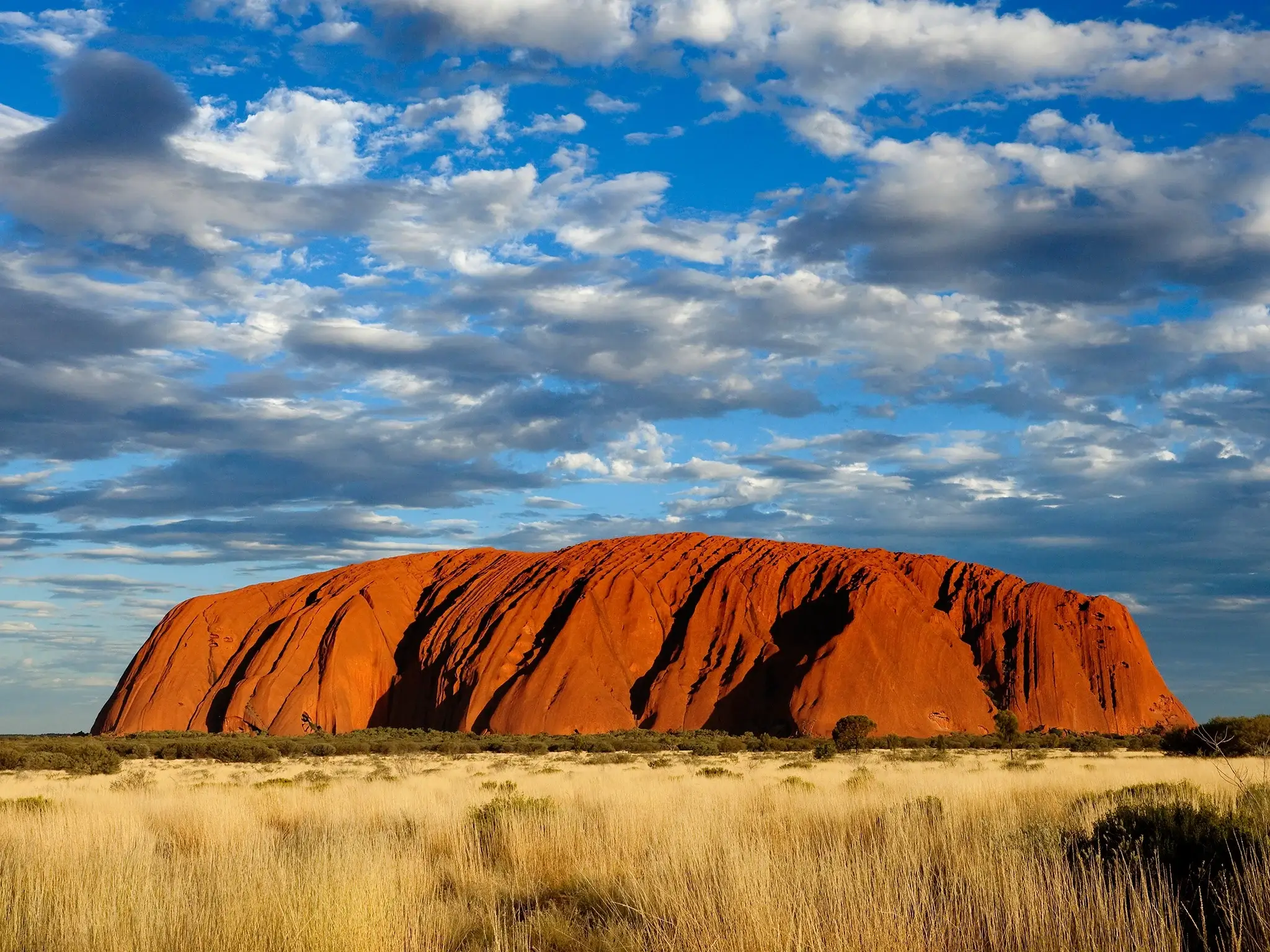
Dramatic Outback Scenes – Blue Mountains, West of Sydney, NSW
 Photo by Nicholas Doherty on Unsplash
The Stillness Behind the Drama
The Blue Mountains don’t just sit quietly west of Sydney; they rise, breathe, and shift with the light. Morning mist moves like memory between eucalyptus valleys. Cliffs glow orange at first light, then fade into shadow with the slow turning of the sun. For those who’ve stood at a lookout in silence, camera in hand, it’s clear: the Blue Mountains aren’t just beautiful. They’re profound.
Although not part of the traditional Outback, the Blue Mountains carry that same ancient stillness. They feel remote, even when just an hour from the city. This nearness to wildness makes them ideal for film photographers seeking contrast between light and dark, past and present, movement and pause.
For Nick Karagiannis, whose work bridges nature, landscape, and analog tradition, Blue Mountains photography isn’t about chasing scenes. It’s about meeting the land where it is. The patience required to wait for morning fog, or to hike through fading afternoon light, is the same discipline film photography rewards.
Light, Mist, and Texture: Why the Blue Mountains Feel Alive on Film
What makes this region so compelling to shoot is not just what it looks like, but how it feels. Blue Mountains photography comes alive in the interplay between light, scale, and texture.
At sunrise, the cliffs ignite with golden light. Places like Echo Point or Govetts Leap shimmer softly before the sun breaks over the ridge. The cool blue mist that names these mountains holds the light like breath, especially in early morning stillness. This is where Kodak Ektar film thrives, its vibrant contrast preserving the fire of the rocks without losing shadow detail in the valley floor.
At sunset, the drama reverses. Long shadows fall across sandstone faces. The trail is quiet. The air cools. The cliffs seem to stretch taller. For these low-light transitions, Nick often shoots Portra 400 or Cinestill 800T, leaning into the warmth of the last rays while allowing for subtle transitions in contrast.
Film also responds beautifully to texture, one of the Blue Mountains’ most underrated features. Cracked sandstone, mossy overhangs, and charred eucalyptus trunks all come through with a tactile honesty on 35mm or medium format. Where digital might polish, film reveals. Grain becomes atmosphere. Imperfections become character.
“The land feels layered here,” Nick says. “Film doesn’t just show you what it looks like. It tells you how it moved.”
Nick Karagiannis and the Spirit of the Land

Australian Expert Photographer Nick Karagiannis approaches Blue Mountains photography less like a technician and more like a listener. Each image begins long before the shutter clicks, with scouting, silence, and studying light. It’s a practice rooted in respect: for weather, for terrain, and for time.
One of Nick’s defining traits is how he matches film stocks to emotional tone. On days when fog blankets the escarpments, he might lean into Ilford HP5 for its deep blacks and grainy quiet. When chasing late-day colour along the Grand Canyon Walk, it’s often Ektar for warmth or Fuji C200 for a slightly muted pastel vibe.
But it’s not just about film choice. It’s about presence. Nick hikes with light gear, often covering multiple kilometres before setting up a single frame. His pace mirrors the landscape, slow, alert, and open to change. “I don’t go in with a shot list,” he explains. “I go in on time.”
What makes his Blue Mountains work stand out is this refusal to impose. His photos don’t announce themselves. They reveal. A tree lit from behind. A valley breathing under cloud cover. A single figure against rock, distant and small.
In every image is a conversation between land and photographer, quiet, curious, and ongoing.
Practical Tips for Film Shooters in the Blue Mountains
If you’re planning your own Blue Mountains photography journey, a few practical considerations can make the experience more rewarding, especially when shooting film.
Pack for the Hike, Not Just the Shot
The best views are rarely roadside. Many of Nick’s favourites, Perry’s Lookdown, the Grand Canyon Walk, or the lower trails of Wentworth Falls, require proper footwear, layers, and a water bottle. A slim backpack with a padded insert for camera gear is essential.
Nick typically carries:
· One 35mm SLR (Nikon F3 or Canon AE-1)
· Two prime lenses (28mm and 50mm)
· Three to four film rolls (Portra 400, Ektar 100, HP5)
· A lightweight tripod or Gorillapod for long exposures
· Circular polariser (to manage bright skies and cut reflections)
· Extra batteries and silica pouches (moisture control matters in valley fog)
Timing Is Everything
Sunrise in the Blue Mountains tends to be quieter and more atmospheric. Echo Point, despite its popularity, can feel almost sacred at 6 AM. Low-angle light on the cliff face brings dimension and glow. Sunset, particularly from Govetts Leap or Narrow Neck, offers cinematic silhouettes and high-contrast drama.
Nick’s advice? Arrive early, stay late, and don’t rush the in-between. “I’ve seen entire rolls wasted by people shooting too fast. Let the light change. Let the view change. Then lift your camera.”
Embrace the Imperfections
Film thrives on unpredictability. Mist may drift at the wrong moment. Shadows may fall unevenly. But this is part of the magic. Blue Mountains photography is not about pristine symmetry, it’s about mood. Let blur happen. Let light leak. These are not flaws. They’re echoes of the moment.
Best Locations for Blue Mountains Photography
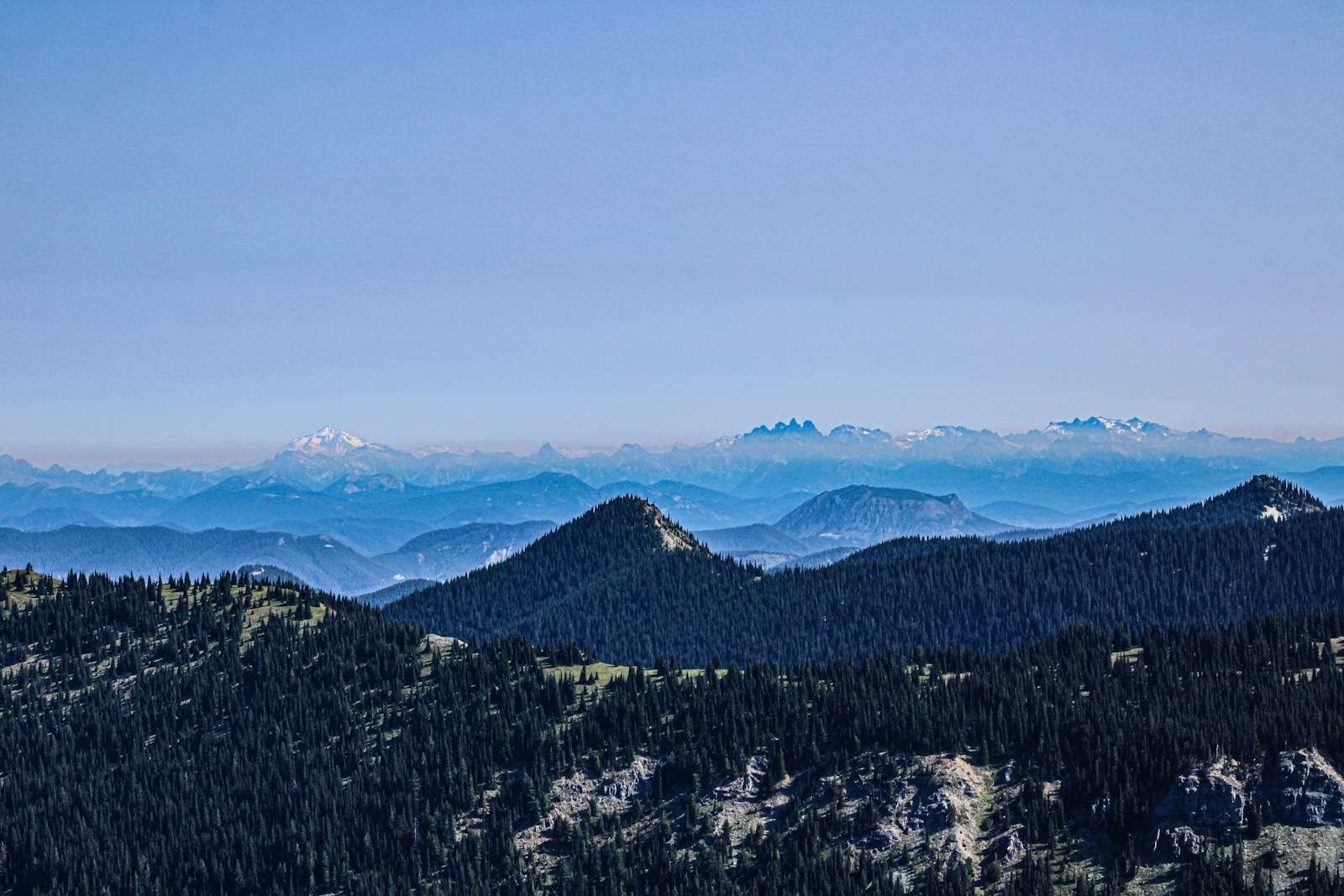
You could spend a lifetime in the Blue Mountains and never see the same view twice. The way fog settles, the way light changes hour by hour, each day brings something new. But some locations consistently offer that rare mix of atmosphere and accessibility, especially for those shooting on film.
Echo Point (Katoomba)
A classic starting point, and with good reason. Overlooking the iconic Three Sisters, Echo Point at sunrise offers a front-row seat to golden cliffs igniting above shadowed valleys. While it draws crowds, arriving before first light lets you find a quiet corner and catch the warmth before it disappears into blue haze. Best with Kodak Ektar or Fuji Pro 400H for capturing soft pinks and oranges.
Govetts Leap (Blackheath)
Perfect for sunset Blue Mountains photography. The sheer drop and vast gorge below glow with layered mist as the sun lowers behind the ridge. Nick Karagiannis favours this location for black-and-white work. “The cliffs seem to stretch taller here,” he says. Use Ilford HP5 for mood, or Portra 160 if you want to retain delicate colour under low light.
Wentworth Falls
If you’re keen on capturing motion and drama, this cascading multi-level waterfall is ideal for long exposure work. With ND filters and a tripod, even 1–2 second exposures give water a soft, ribboned flow. Plan early, as light gets blocked fast by cliff edges.
Perry’s Lookdown
A bit more remote, but its raw, untouched feel makes it one of Nick’s personal favourites. Best after fog or light rain when the cliffs glisten and mist lingers. Film stocks with strong contrast help here, Ektar or even slide film like Velvia for bold depth.
Grand Canyon Walk
Not to be confused with its American namesake, this shaded rainforest trail provides cooler tones and fine textural detail, moss, filtered light, and ferns. A 28mm lens works beautifully here, especially with slower colour-negative film that handles shadow gradients well.
“These aren’t just views,” Nick explains. “They’re places that wait for the right light to reveal their story.”
The Philosophy of Waiting: Film and the Slower Frame
Film photography in the Blue Mountains asks for something modern life rarely allows: stillness. While digital culture rewards speed and quantity, film reminds us that observation takes time. That’s especially true in landscapes this dynamic, where the story often lies just beyond the obvious.
Nick Karagiannis sees this not as a limitation, but as the point. “I don’t go to the Blue Mountains to hunt photos. I go to listen.” The 36 frames in a roll become a quiet contract. You won’t shoot endlessly. You’ll wait. You’ll choose. You’ll react with intention.
There’s a kind of humility in this approach. Instead of imposing a vision, you enter into one. You let the cliffs decide when they’re ready. You let the mist move. You don’t try to perfect the scene, you witness it, and that becomes enough.
This slowness extends beyond the camera. It changes how you walk, how you breathe, how you see. You start to notice what light feels like on rock. You watch wind bend branches. You learn that beauty, especially in wild places, doesn’t announce itself, it waits to be recognised.
Blue Mountains photography is not a trophy hunt. It’s a practice. A way of remembering how to pay attention.
Environmental Awareness and Local Council Guidelines
Photographing in the Blue Mountains comes with responsibility. As part of a UNESCO World Heritage Area, this landscape is not just beautiful, it’s fragile.
Park Access and Regulations
Most Blue Mountains trails and lookouts are managed by NSW National Parks and Wildlife Service. While personal, handheld photography is allowed, any commercial or drone use requires a sydne These are available through the NSW Parks website and help manage impact on ecosystems and foot traffic.
Nick Karagiannis keeps his footprint small:
· No flash in shaded rainforest areas
· Always sticks to marked paths to prevent erosion
· Avoids setting tripods in sensitive vegetation zones
· Packs out everything, including food wrappers and film canisters
“The land lets us borrow its light,” Nick says. “So we give back through care.”
Drones and Ethical Composition
Drone use is largely restricted across the region unless explicitly permitted. Instead of aerial dominance, Nick recommends thoughtful framing from ground level, using natural elevation and negative space to communicate scale.
Photographers are also encouraged to avoid “over-manipulating” scenes by moving rocks, stepping off trail, or constructing compositions. In film photography especially, letting the land dictate the terms often results in more authentic, powerful images.
Where the Land Speaks Back
The Blue Mountains don’t perform. They endure. They wait. And for those who bring a film camera and a sense of patience, they offer something beyond a pretty picture, they offer presence.
Nick Karagiannis’s work here is not defined by postcard clarity or exaggerated edits. It’s marked by listening. By slowing down enough to let the cliffs speak, and trusting that film will hold the weight of that silence.
Whether you’re catching the first pink hue of sunrise Blue Mountains, watching fog roll in across the valleys at sunset, or simply standing still with your camera unraised, the experience changes you.
Looking for more landscapes that breathe with light and memory? Explore Nick’s full collection on the Nick Karagiannis Photography Blog.