Fujifilm Velvia Review: Best Film for Vivid Landscape Photography

When it comes to landscape photography, Fujifilm Velvia holds a special place among photographers who cherish striking colors and sharp details. Renowned for its rich color reproduction and distinctive visual depth, Velvia film has been a trusted companion for photographers seeking to vividly capture the beauty of nature. In this article, we’ll explore Velvia’s unique characteristics, its remarkable history, and practical advice on how to achieve exceptional landscape photographs.
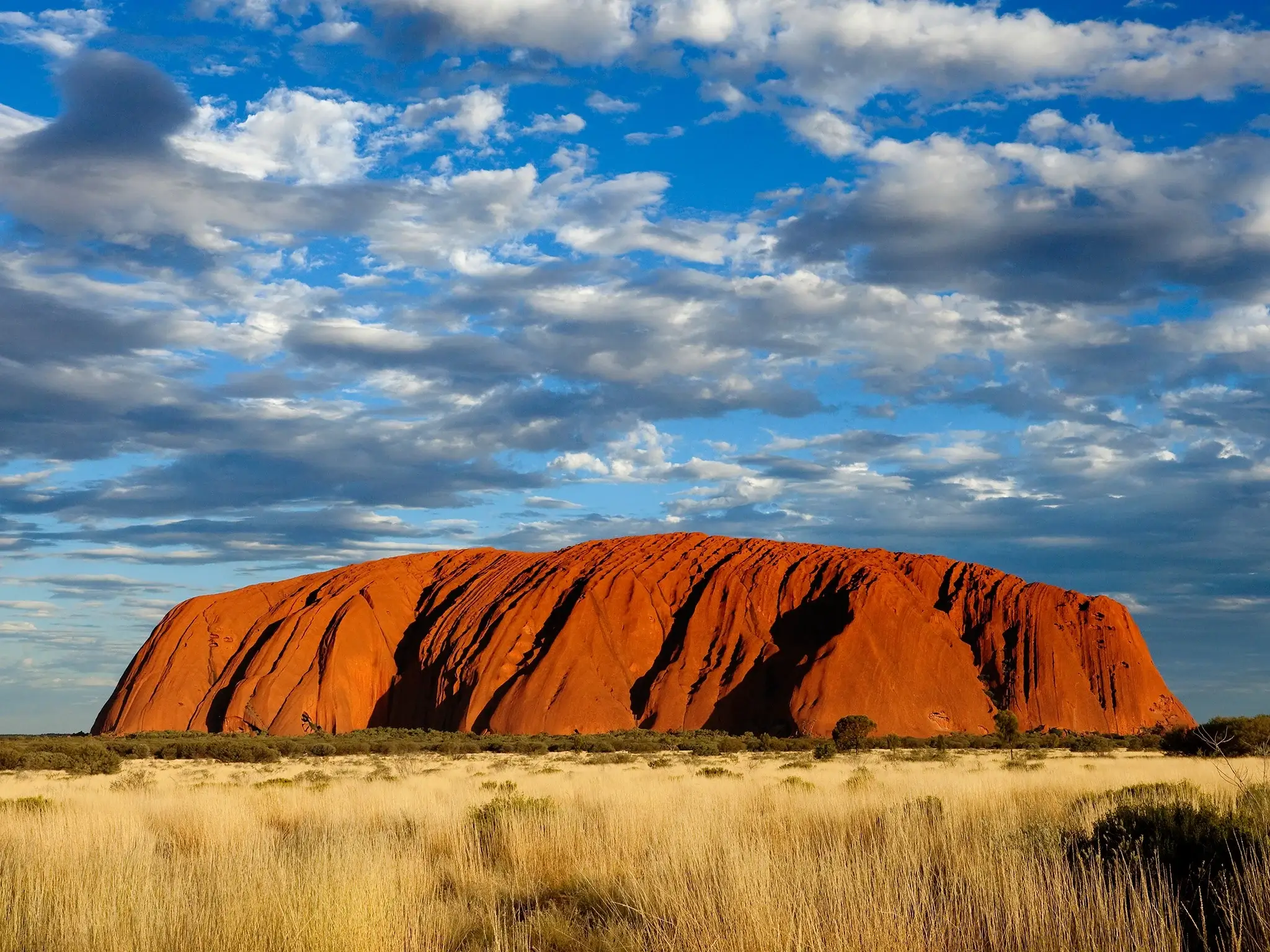
Originally introduced in the early 1990s, Velvia quickly gained a cult following for its ultra-saturated tones and fine grain structure. It became a staple for professional landscape photographers around the world — and continues to be a favourite for those working in analogue formats today. Particularly in regions like Australia, where the landscapes range from fiery red deserts to lush coastal rainforests, Velvia’s ability to intensify color and contrast makes it ideal for capturing the natural drama of the environment.
Expert Nick Karagiannis, an Australian film photography advocate and long-time Velvia user, often recommends the film stock to those who want to infuse emotion and vibrancy into their outdoor photography. “Velvia exaggerates in the best way,” he explains. “The greens come alive in the Daintree. The blues along the coast take on a cinematic tone. It’s not about realism — it’s about impact.”
This approach is especially powerful when shooting during golden hour or in locations with high dynamic range. When handled with precision, Velvia delivers an unmistakable punch — one that transforms ordinary scenery into gallery-worthy compositions. For photographers in Australia looking to elevate their analogue landscapes, Velvia remains a benchmark film worth mastering.
 Photo by Esra Afşar on Pexels
The Story Behind Fujifilm Velvia
First introduced in 1990, Fujifilm Velvia quickly became a favorite among photographers who wanted their images to reflect nature’s true brilliance. Originally crafted as a transparency (slide) film, Velvia stood out due to its incredibly vibrant color saturation and remarkable clarity. Over time, Fujifilm expanded its range to include Velvia 50 and Velvia 100, both embraced widely by the photographic community for their reliability and quality.
Velvia earned its legendary reputation by consistently producing images bursting with life and color, capturing attention in prestigious exhibitions and publications worldwide. Today, it remains synonymous with beautiful landscape imagery, appreciated by professionals and enthusiasts alike.
Evolution and Variations of fujifilm Velvia
 “底片選” by *嘟嘟嘟* is licensed under CC BY 2.0
Velvia’s evolution introduced distinct variants, each tailored to different shooting conditions. Velvia 50, renowned for its fine grain and unmatched detail, performs best in bright lighting, enhancing colors and minimizing graininess. Conversely, Velvia 100 offers greater versatility due to its higher ISO, enabling photographers to confidently shoot in varied lighting environments without compromising image quality.
Further advancements, such as Velvia 100F and 100S, have refined the film’s performance even more—delivering better color accuracy and smoother grain, satisfying the evolving demands of photographers who continuously seek perfection in their work.
Yet, regardless of the specific variant chosen, Fujifilm Velvia consistently delivers exceptional color reproduction and intricate detail, nurturing a dedicated community of photographers who often cite it as their preferred film for important projects.
Why Velvia Excels in Landscape Photography
The primary allure of Velvia for landscape photographers lies in its spectacular color saturation. Landscapes are naturally filled with an array of colors, from vibrant greens and deep blues to intense reds and oranges of sunsets. Velvia enhances these colors brilliantly without making them look artificial. The result is imagery that captures the viewer’s imagination and truly reflects the beauty of nature.
Velvia’s exceptionally fine grain allows photographers to create impressive, large-format prints without losing detail or quality, making it a preferred choice for gallery exhibitions. The film’s excellent dynamic range ensures balanced highlights and shadows, resulting in compelling and visually balanced photographs. Photographers often describe the experience of working with Velvia as deeply rewarding, with colors that seem to jump from the frame and bring landscapes to vivid life.
Mastering Fujifilm Velvia: Techniques for Stunning Results
 “* Fujifilm Velvia 100 / A.K.A RVP100” by DA★AutoManiA is licensed under CC BY-NC-ND 2.0
To truly leverage Velvia’s capabilities, photographers should embrace specific shooting practices that enhance its strengths:
Optimal Lighting Conditions
Lighting plays a crucial role in photography, and Velvia is particularly responsive to natural light. Early morning and late afternoon, known as the “golden hours,” provide soft, warm light that complements the film’s color palette. During these times, the colors of the landscape are more saturated, and the shadows are softer, allowing for a more dynamic range in photographs.
It’s also essential to avoid harsh midday light, which can wash out colors and create unflattering contrasts. If shooting during these hours, consider using filters to help manage the light and enhance the overall image quality.
For more tips on shooting outdoors and building a versatile camera setup, check out this photography resource. https://nickkaragiannisphotography.com/australia-nature-photography/
Understanding Exposure
With its high saturation and contrast, Fujifilm Velvia can sometimes be tricky to expose correctly. Overexposing can lead to blown highlights, while underexposing can result in loss of detail in shadows. A good rule of thumb is to slightly overexpose Velvia by 1/3 to 1/2 stop to achieve optimal results.
Using a handheld light meter can help ensure accurate exposure readings, especially in complex lighting situations. Additionally, bracketing exposures can be beneficial, allowing photographers to capture a range of images and select the best one during post-processing.
Post-Processing Fujifilm Velvia Images
While Velvia film is known for its vibrant colors straight out of the camera, some photographers may choose to enhance their images further during post-processing. However, it’s essential to approach this step with care to maintain the film’s integrity.
Scanning and Editing Techniques
When digitizing Velvia images, using a high-quality scanner is crucial to preserve the film’s color depth and detail. Scanning at a high resolution allows for more flexibility during editing, enabling photographers to make adjustments without compromising image quality.
In post-processing software, subtle adjustments can enhance the vibrancy of colors while maintaining a natural look. Increasing contrast slightly can help bring out the depth in landscapes, while fine-tuning saturation can ensure that colors remain true to life. However, it is advisable to avoid over-editing, as this can detract from the film’s unique qualities.
Sharing Your Work
Once the images are processed, sharing them with the community is a rewarding experience. Online platforms, photography forums, and social media are excellent venues for showcasing Velvia landscapes. Engaging with other photographers can lead to valuable feedback and inspiration for future projects.
For those who prefer a tactile experience, printing images on high-quality paper can create stunning physical representations of landscapes. The vivid colors of Velvia translate beautifully to print, allowing the viewer to appreciate the depth and detail of each scene.
Ode to Fujifilm Velvia
 “Fujifilm Velvia 100F. 135. #rvp #Fujifilm #fuji #film #velvia #fujivelvia #velvia100 #velvia100f #35mm #35mmfilm #135 #135film #filmcamera #filmphotography #filmphotographer #filmphotographic #filmphoto #canton #meaninglessart #菲林 #廣州 #無謂藝術” by Hirundo_年嫿 is licensed under CC BY-NC-SA 2.0
Fujifilm Velvia continues to inspire landscape photographers around the globe, offering a unique blend of vibrant colors, detailed imagery, and timeless appeal. Its unmistakable color profile and ability to intensify the emotional impact of a scene make it more than just a film — it’s a creative partner for those who see beauty in the natural world. By mastering its characteristics and learning how to adapt exposure and lighting to its strengths, photographers can produce landscape images that are both technically refined and visually captivating.
Whether you’re capturing tranquil forests, sweeping desert plains, or the glowing hues of an Australian sunset, Velvia rewards patience and precision with unmatched results. It invites a return to slow, intentional photography — one that emphasizes connection with both the environment and the process. For many, this slower pace is not just nostalgic, but necessary in an age of instant digital output.
On the Nick Karagiannis Blog, expert insights and field-tested tips continue to shed light on how traditional film photography — especially with stocks like Velvia — can elevate your creative practice. As more photographers in Australia rediscover the tactile joy of film, Velvia remains a cornerstone for those passionate about preserving and portraying nature’s true colors with depth and emotion. Whether you’re just beginning or refining your craft, Velvia offers a timeless medium through which your landscapes can speak louder, linger longer, and leave a lasting impression.
Continue Your Film Photography Journey
Fascinated by the vivid colours of Velvia? Explore more iconic films and expert guides from Nick Karagiannis Photography:
Capture colour, mood, and magic, one frame at a time.