Nature Photography in Australia: How Capturing the Wild Inspires Urban Farming

A Lens into the Wild, a Garden in the City
Nature photography is more than a creative pursuit. It is a form of listening. In Australian posts, where the land still speaks in ancient rhythms and the light moves with quiet power, standing behind a camera often becomes the first step toward a deeper connection with place.
For Sydney based photographer Nick Karagiannis, this connection didn’t stop once the shutter clicked. Years of capturing the wild, from mist-drenched forests to sun-scorched cliffs, sparked a quiet question: what if we didn’t just admire these landscapes from afar? What if we brought that reverence into our own homes, balconies, and rooftops?
This is how Nick’s nature photography evolved into something more grounded, quite literally. It became a catalyst for urban farming.
The Australian Landscape Through the Photographer’s Eye
 Photo by Julija Sidorova on Unsplash
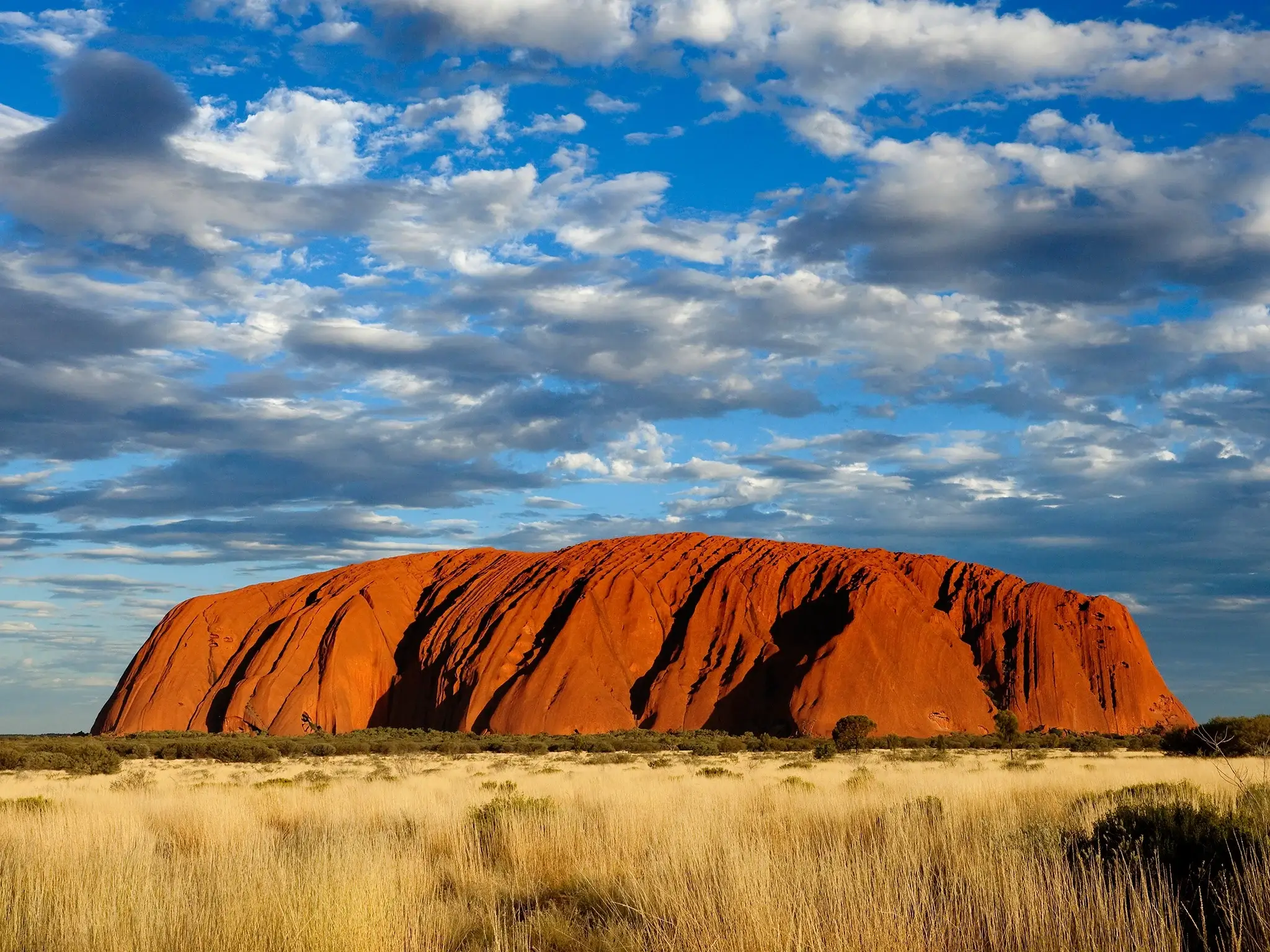
Australia is a country defined by contrast. In the same frame, you might find a sky burning with heat and a shadow clinging to a craggy rock face. It’s this duality that makes the continent a paradise for nature photographers, if they have the patience to wait for it.
Nick Karagiannis has spent years exploring the sensory language of Australian landscapes. The deep greens of the Daintree Rainforest. The golden haze over Bondi Beach. The ochre silence of the Blue Mountains at dusk. In photographing these places, he wasn’t just collecting images, he was learning to see differently.
Nature photography, especially in Australia, is rarely easy. Harsh midday light, unpredictable weather, and vast open space require precision and adaptability. But for Nick, these limitations became teachers. They taught him to slow down, to observe how plants respond to heat, how animals move with the wind, and how light touches a surface before disappearing.
This awareness of environment, composition, and rhythm would later influence his approach to growing things in the city. “Every time I planned a shot in nature, I was unknowingly preparing to plan a garden,” Nick reflects.
From Composition to Cultivation: What Photography Teaches You About Growing Things
There is a quiet kinship between the photographer and the grower. Both work with natural forces they cannot control. Both rely on timing, intuition, and care. And both are shaped by failure as much as success.
Nature photography teaches patience. Waiting for light, for clouds to shift, for wildlife to enter the frame. Urban farming asks for the same. You wait for seedlings to break soil. You adjust to weather that doesn’t match the forecast. You accept that not everything will grow the way you hoped.
Photography also sharpens your attention to detail. The way a fern curls in low light. The softness of soil underfoot. The difference between morning and evening shade. These subtle cues, learned behind a lens, become invaluable when growing herbs on a windowsill or designing a raised bed in a narrow laneway.
Nick Karagiannis often speaks of “composing” a garden the way he composes a shot. He looks for balance, contrast, and focal points. He lets the light decide where certain plants should go. He trusts that nature, whether in the bush or on a balcony, reveals its patterns if you’re willing to look closely.
“Photography gave me my first garden. It taught me to see light. Farming taught me what to do with it.”
Bringing Nature Home: Why Urban Farming Is More Than Just Growing Food
 Photo by Charlies X on Unsplash
Urban farming is not just about kale and compost. At its heart, it is about relationship. With land. With weather. With the cycles that modern life often rushes past. For Nick Karagiannis, nature photography awakened this awareness, but it was through growing food that it took root.
Living in Sydney, Nick began experimenting with balcony herbs, trailing vines, and compact citrus trees. What started as a modest attempt to bring greenery into an apartment soon evolved into a rooftop sanctuary, a living homage to the landscapes he once travelled to photograph.
But what struck him most was not the yield. It was how his space began to feel. The garden, like the camera, gave him reason to pause. It asked for attention. It offered quiet returns. And in time, it blurred the line between his wilderness photography and his domestic life.
Urban farming, especially in dense Australian cities, is a form of quiet resistance. It reclaims space. It interrupts concrete with life. And it invites you to care for something over time.
Nick now advocates for small-scale growing not as a trendy lifestyle, but as an extension of the same sensitivity that good nature photography requires. You do not need hectares of land. You need only a curiosity about the way things grow.
Curious how Nick brings wild textures into small urban spaces? Explore his guides on the Nick Karagiannis Urban Farming Website.
How Nature Photography Influences Garden Design
 Photo by Jithin Vijayamohanan on Unsplash
When Nick Karagiannis began planting in the city, he didn’t leave his photographer’s eye behind. Instead, he let it guide him. Nature photography had taught him to frame moments. Now, he was framing space.
A garden, like a photograph, thrives on balance. In photography, it might be the way shadows soften around a focal point. In planting, it’s how trailing herbs frame a bench, or how terracotta pots echo the red tones of native bark. Nick began choosing plants not just for what they produced, but for the way they composed a scene, like selecting elements for a still life that grows and shifts with the seasons.
The textures found in Australian wilderness, leaf patterns, sandstone roughness, glistening dew, became a palette for small-space garden layouts. He mirrored natural groupings: tall grasses behind low blooms, edible climbers curling through railings like vines along coastal cliffs. Just as he once looked for leading lines in a photograph, Nick started building them into paths and planter edges, guiding the eye (and the visitor) through his green space.
This visual discipline is what turns a functional garden into an inspiring one. And it’s why nature photography, far from being unrelated, becomes the quiet blueprint for many urban growers.
Want to design your own wild-inspired space? Read Nick’s vertical planting and light-planning guides on the Nick Karagiannis Urban Farming Blog.
Understanding Council Laws and Urban Farming Permissions in Australia
A key consideration for any urban grower is understanding what your council permits, and what it doesn’t. While growing herbs in pots rarely triggers legal concerns, more advanced setups (like rooftop beds, water collection tanks, or compost bins) can fall under local regulation.
In Sydney, for example, most councils allow residents to grow food for personal use on balconies, courtyards, or rooftops. However, permanent structural installations, raised beds on apartment rooftops, wall-mounted vertical systems, or greywater setups, may require written approval or engineering assessments.
Key areas to check with your local council include:
· Weight limits for rooftop gardens or balconies
· Drainage and run-off regulations
· Compost or worm farm placement
· Shade structures or greenhouses
· Permits for selling produce (even at small scales)
Nick Karagiannis recommends contacting your local council before building anything fixed. “It’s easy to assume you’re just adding a few planters,” he notes, “but a balcony garden is still part of a shared building. It’s always better to design with clarity.”
In NSW, the Waverley Council City of Sydney, and Inner West Council all offer urban farming or community garden policies on their websites. Most include downloadable PDFs outlining acceptable materials, safe garden practices, and who to contact if your design is outside standard guidelines.
Need help navigating local laws? Nick shares insights in his Beginner’s Urban Farming Setup Guide.
Why More Creators Are Returning to Nature, And Bringing It Back with Them
Nick Karagiannis isn’t alone in walking the path from observation to cultivation. Across Australia, a quiet shift is taking place. Creators, photographers, designers, writers, are not just documenting wild beauty; they’re finding ways to live it. They’re planting what they once photographed. They’re designing homes that echo landscapes they’ve hiked. They’re slowing down and letting their creative eye guide their ecological choices.
This movement is not about abandoning technology. It’s about rebalancing it. A camera captures beauty in the moment. A garden lets you care for it over time.
Nick sees this return to nature as a response to creative burnout. “We spend so much time editing, posting, chasing feedback,” he says. “The garden gives you none of that. Just silence. Just time. And eventually, a tomato.”
The inspiration that begins with nature photography doesn’t have to end with a print on the wall. It can live in how we cook, how we shop, how we build our balconies. And in that way, the act of seeing leads to the act of tending.
Curious where to begin? Browse Nick Karagiannis’s seasonal planting guides for city growers ready to reconnect.
Final Thoughts: A Garden Grows from the Way We See
 Photo by Markus Spiske on Unsplash
Nature photography changes how we look at the world, but it also changes how we live in it. When you begin to see light as something precious, and wild places as fragile compositions, your instincts shift. You notice sun angles on your balcony. You read the wind before watering. You start to ask what you can grow, rather than what you can buy.
For Nick Karagiannis, capturing the wild through a lens was the first step. Growing it at home was the second. The camera taught him to look. The garden taught him to listen.
Whether you’re standing on a cliff with a camera or crouching by a potted basil plant, you are engaging with something ancient: the relationship between attention and care. That’s the heart of both photography and urban farming. And in a fast-moving world, it might just be what brings us back to balance.
Want to dive deeper into this way of seeing? Explore more stories at the Nick Karagiannis Photography Blog. Or start bringing nature into your own home through the Nick Karagiannis Urban Farming Website.
Explore More Nature Blogs in Australia
Looking for more inspiration? Check out these guides showcasing some of Australia’s most iconic nature locations:
Blue Mountains Photography Guide — Misty cliffs, ancient forests, and breathtaking lookouts near Sydney.
Daintree Rainforest Photography Tips — One of the world’s oldest rainforests, packed with unique plant life and wildlife.
Shooting Film at Bondi Beach — Capturing golden hour and coastal vibes at Australia’s most famous beach.
Sydney Hotspots for Film Photography — Explore the best places in Sydney for street and nature photography.
Australian Outback on Kodak Ektar Film — Vivid colors and wide landscapes in the heart of Australia.
Melbourne Photography Locations — From street art to hidden laneways, Melbourne is a photographer’s dream.
Tasmania Photography Guide — Wild coastlines, mountains, and pristine nature perfect for film photography.
Bondi Beach Travel Photography — Tips for capturing the iconic Bondi lifestyle.
Melbourne Travel Guide — Explore the culture and creativity of Melbourne through your lens.