Exploring the Legacy of the Canon AE-1: Still Relevant in Modern Photography

The Canon AE-1, released in 1976, has cemented its place as one of the most iconic 35mm SLR cameras of all time. Despite being over four decades old, the AE-1 continues to captivate the hearts of photographers, both seasoned and new. Known for its user-friendly design, innovative features, and timeless aesthetic, the Canon AE-1 played a pivotal role in revolutionizing photography for amateurs and professionals alike.
But what is it about the AE-1 that has allowed it to endure for so long in an industry that has rapidly evolved with the advent of digital technology? In this article, we’ll explore the legacy of the Canon AE-1, looking at its historical significance, the lasting impact it has had on photography, and why it remains a relevant and beloved camera in today’s digital age.
A Brief History of the Canon AE-1
Before the Canon AE-1, SLR cameras were often complex, with cumbersome controls and manual settings that could overwhelm beginners. The AE-1, however, broke new ground by incorporating a microprocessor, making it the first 35mm SLR camera with automatic exposure. This innovation allowed for easier exposure control, which was a huge leap forward for those looking to explore film photography without the steep learning curve traditionally associated with manual cameras.
Canon’s move to introduce automation without sacrificing manual options made the AE-1 highly accessible to amateurs while still catering to professional photographers. The Canon AE-1 was equipped with an auto-exposure feature that adjusted the shutter speed based on the aperture, allowing users to focus on composition rather than complex technicalities.
This combination of simplicity and precision made the AE-1 not only a favorite among amateur photographers but also an essential tool for professionals, especially during its heyday in the 1970s and 1980s. Its impact was immeasurable, and it set the stage for the rise of film photography among a new generation of enthusiasts.
The Canon AE-1’s Impact on Amateur Photography

The Canon AE-1’s most significant contribution was how it bridged the gap between professional and amateur photography. Before the AE-1, most 35mm SLRs were geared toward experienced photographers who had a deep understanding of aperture, shutter speed, and film ISO. These settings were often complicated and could easily discourage someone without professional training from pursuing photography.
However, the Canon AE-1’s integration of a microprocessor brought a new level of simplicity to the process, allowing photographers to achieve perfectly exposed images without knowing every technical detail. It wasn’t just an automatic camera; it offered a blend of ease of use and creative control. The AE-1 was the perfect camera for someone looking to take their photography skills to the next level, but who didn’t want to get bogged down by technical complexity.
This accessible design sparked an explosion of interest in photography during the 1970s and 1980s. The AE-1 became the gateway for many budding photographers who would go on to embrace film photography, setting the foundation for a lifelong passion for the craft.
The Legacy of the Canon AE-1 in the Digital Age
While digital photography has since overtaken film as the dominant form of image capture, the Canon AE-1 continues to inspire photographers and enthusiasts. Film photography has seen a resurgence in recent years, with photographers drawn to the tactile and deliberate process that film offers. In a world of digital convenience, shooting with film provides a unique and nostalgic experience, and the AE-1 is often one of the first cameras people turn to when exploring film for the first time.
The AE-1’s simplicity and the authenticity of film provide a perfect antidote to the over-automation of modern digital cameras. When you shoot with the AE-1, every shot counts. The slower pace of film photography, combined with the anticipation of waiting for the developed images, creates a deeper connection to the art of photography. This is something digital photography, with its instant feedback and fast pace, often lacks.
The camera’s ability to produce striking, organic images with its FD lens system still resonates with modern photographers. Many film photographers find that the AE-1’s lenses deliver a unique rendering that digital lenses cannot replicate. Whether it’s the softness of a portrait or the clarity of a wide landscape shot, the AE-1’s lenses contribute to the camera’s enduring appeal.
The Canon AE-1 as a Teaching Tool for New Generations

One of the key reasons the Canon AE-1 remains relevant today is its role as a teaching tool. For many new photographers, especially those learning the art of film photography, the AE-1 provides a perfect balance between simplicity and control. Its easy-to-use exposure controls allow beginners to focus on the basics of photography while still enabling them to experiment with manual settings.
Film photography has made a comeback in classrooms and workshops around the world, where students are learning the foundational principles of photography. The AE-1 is often one of the first film cameras introduced to students, as it offers a perfect introduction to the core concepts of aperture, shutter speed, and ISO. By taking a hands-on approach with the AE-1, students gain a deeper understanding of how cameras work, and it reinforces the creative process behind capturing an image.
In an age where digital cameras often do the thinking for us, the AE-1’s reliance on the photographer’s knowledge and intent helps to reconnect modern photographers with the art of photography. It teaches the fundamentals of light, exposure, and composition—concepts that are crucial even in today’s digital photography landscape.
Canon AE-1 in the Modern Photography Community
While the AE-1 was initially designed for amateur photographers, it has transcended its original purpose and has found a place in the hearts of collectors and professional photographers alike. The AE-1 remains a key camera in the world of vintage camera collecting, with its enduring popularity contributing to a thriving market for secondhand models.
For collectors, the AE-1 is often a prized possession, thanks to its historical significance and mechanical reliability. The camera has become a classic, one that continues to hold its value in the vintage market. Some professional photographers also incorporate the AE-1 into their work, using it for personal projects or creative endeavors that seek the nostalgia and depth that film photography offers.
The camera’s iconic status and design, along with its reputation for being a reliable and durable piece of equipment, ensures that it remains a relevant tool for photographers who wish to explore the roots of modern photography.
Canon AE-1 and Its Influence on Today’s Camera Designs
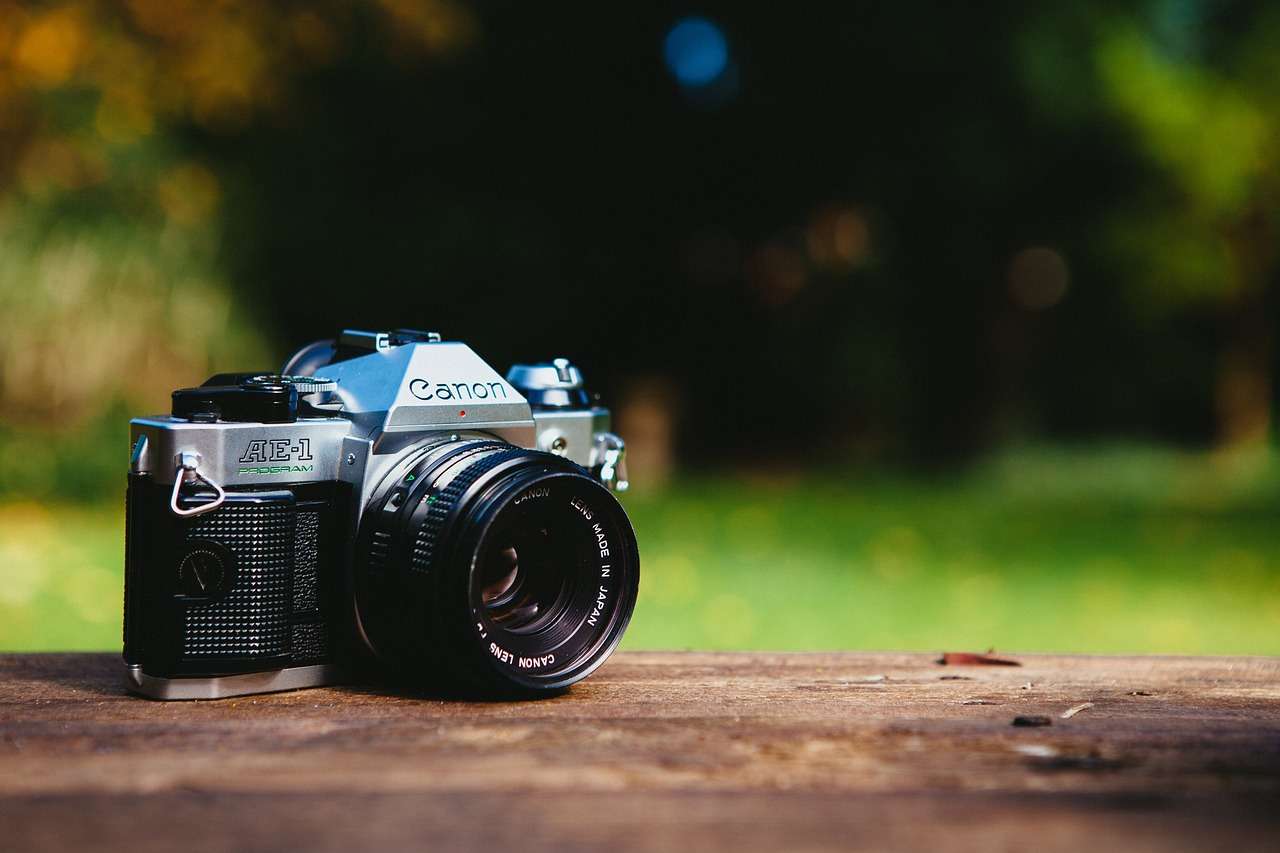
The Canon AE-1’s influence can still be seen in today’s camera designs. Many modern digital cameras now feature some of the same characteristics that made the AE-1 so successful: user-friendly controls, simplified interfaces, and a balance between automation and manual control. While today’s digital cameras are vastly more advanced than their film counterparts, the Canon AE-1 set the stage for the user-centered design that has become the standard in modern camera systems.
The AE-1 also helped popularize the concept of “hobbyist photography,” making it easier for anyone with an interest in photography to pick up a camera and start creating. Its success helped pave the way for the development of cameras that cater to both novice and advanced users, a trend that has continued in digital camera design to this day.
Conclusion
The Canon AE-1 holds a unique place in the history of photography, and its legacy is still felt in modern photography. As a groundbreaking camera that bridged the gap between professional and amateur photographers, the AE-1 was pivotal in shaping the way we approach photography today. Despite the rapid rise of digital technology, the Canon AE-1 remains an enduring symbol of simplicity, innovation, and creative control.
In the age of instant gratification, the slow, deliberate process of shooting with film—especially with a camera as iconic as the AE-1—offers something that digital photography cannot replicate. The Canon AE-1 has evolved from a popular amateur camera to a revered vintage classic that continues to inspire both beginners and professionals. Whether you’re exploring film for the first time or adding a timeless piece to your collection, the Canon AE-1 remains as relevant as ever in the world of photography.
Explore More About Iconic Film Cameras
If you’re interested in learning more about some of the most iconic film cameras that have shaped the world of photography, check out these detailed reviews and guides from Nick Karagiannis Photography:
- 35mm Film Photography: Best Film Stocks & Shooting Guide
- Ultimate Vintage Camera Collection – Nick Karagiannis
- Stunning Australia Nature Photography – Nick Karagiannis
For more insights into some of the most revered camera brands, be sure to check out these external resources:

FAQ: Canon AE-1 – Then & Now
Q: Is the Canon AE-1 good for beginners today?
Absolutely. The AE-1 is still considered one of the best entry points into 35mm film photography. Its blend of automatic exposure modes and manual controls allows new photographers to learn essential techniques without being overwhelmed. It also teaches the discipline of shooting intentionally — a skill easily lost in the digital age.
Q: What makes the Canon AE-1 different from other vintage cameras?
The AE-1 was the first SLR to feature a built-in microprocessor, making automatic exposure affordable and accessible. It also became a pop culture icon thanks to Canon’s aggressive global marketing campaigns. Compared to fully manual SLRs of the 1970s, the AE-1 was far more user-friendly, especially for people transitioning from point-and-shoot film cameras.
Q: Can the Canon AE-1 still be used professionally?
Yes — many professional photographers use the AE-1 for personal projects, analog portraiture, and fine art work. While it’s not practical for fast-paced commercial jobs, its reliability, image character, and simplicity make it a solid choice for creative and nostalgic shoots. Its FD lens system is especially admired for its rendering of skin tones and classic contrast.
Q: Where can I buy a Canon AE-1 in good condition?
You can find AE-1s through:
Local camera stores that specialise in vintage gear
Online marketplaces like eBay or Etsy (look for sellers with strong reputations)
Film photography communities on Reddit, Discord, or Facebook
Australian specialty retailers like Classic Cameras AU
Prices vary from $150 to $400 AUD, depending on condition, lens included, and recent servicing.
Q: What film should I use with the AE-1?
Nick Karagiannis recommends the following for different shooting situations:
Kodak Portra 400 – balanced skin tones, versatile daylight performance
Ilford HP5 Plus – gritty, reliable black-and-white option for street or documentary work
Fujifilm Superia 400 – affordable colour film with punchy saturation
The AE-1 handles ISO manually, so you’ll need to match the film speed with your settings — another great way to learn photography fundamentals.
Q: What lenses work with the Canon AE-1?
The AE-1 uses Canon FD-mount lenses. Popular choices include:
50mm f/1.8 – classic “nifty fifty,” ideal for portraits and general use
28mm f/2.8 – perfect for landscapes or tight indoor scenes
135mm f/3.5 – compact telephoto for nature or street details
FD lenses are widely available and relatively affordable compared to modern glass.
Q: Is it difficult to get the AE-1 repaired or serviced in Australia?
Not at all. Several film camera repair specialists still service the AE-1, including:
Camera Clinic (Melbourne)
Mainline Photographics (Sydney)
Shutter Factory (Brisbane)
Because the AE-1 is fully mechanical except for the shutter and metering, it’s often easier to repair than digital cameras. Common service items include light seals, battery compartments, and shutter timing.
Q: What batteries does the Canon AE-1 use?
The AE-1 takes a 4LR44 or PX28 6V battery, available at most electronics or camera stores. The battery powers the light meter and shutter electronics, but manual winding and focusing work even without it — another reason the AE-1 has such a long lifespan.
Q: Can I use the Canon AE-1 without any photography experience?
Yes, and that was Canon’s original goal with the AE-1. With auto exposure, you simply select the aperture (f-stop), and the camera sets the shutter speed for you. As you grow, you can begin experimenting with manual settings, giving you complete control over depth of field and motion blur.
Q: How does the AE-1 compare to the Canon AE-1 Program?
The AE-1 Program, released in 1981, added Program mode, allowing both aperture and shutter to be set automatically. It also included minor ergonomic improvements. However, both models share the same lens mount, basic controls, and internal mechanics. The original AE-1 remains more iconic and is often preferred by purists for its simplicity.
Q: Why is the Canon AE-1 considered a classic camera?
Its design, durability, and revolutionary features set it apart. The AE-1 represents:
The democratization of SLR photography
Canon’s commitment to accessible quality
The rise of photography as a widespread hobby in the late 20th century
It has aged exceptionally well, both functionally and stylistically. The camera still looks modern, and its mechanical feel and tactile feedback are loved by photographers around the world.
Q: Is the Canon AE-1 a good investment?
Yes, especially if you’re diving into film photography. AE-1 bodies and FD lenses hold their value and, in many cases, appreciate over time due to growing demand and limited supply. If well-maintained, an AE-1 can last decades, making it a reliable creative tool and a beautiful collector’s piece.
Q: Can I digitise my AE-1 film photos easily?
Yes. Most labs in Australia offer scanning services with development. You can also scan negatives at home using a flatbed scanner or a dedicated film scanner like the Plustek OpticFilm 8200i or Epson V600. Nick Karagiannis often recommends digitising film to create hybrid workflows, combining analog style with digital accessibility.